
The small habits that are costing your business thousands

Most cost issues do not start with big mistakes. They start with small habits.
When operators think about profitability, they often focus on the major levers: labour, supplier costs, pricing or menu design. Those factors matter, but in my experience, the biggest threats to GP and labour efficiency usually start much smaller. They begin with quiet, repeated actions that are easy to overlook in a fast paced environment.
Nearly every operator I have worked with has had a moment where something in the numbers does not make sense. A product is moving faster than it should. A dish costs more to produce than it did the month before. A keg is not lasting the expected number of pours. The instinct is to look for a big explanation, yet most of the time the cause is a series of tiny habits that have compounded over weeks.
These habits are rarely malicious. They are almost always the result of familiarity, routine and the natural shortcuts people take under pressure. The problem is that they accumulate quietly and produce a larger financial impact than most operators realise.
The everyday behaviours that quietly erode GP
Over generous garnishes and inconsistent prep

Garnishes seem insignificant, but inconsistency has real cost implications. Cutting chillies too thick, adding unnecessary extras or prepping far more than the service requires results in waste that builds up over time. I have seen operators save thousands per year by simply standardising how garnishes are sliced, portioned and stored.
Consistency creates predictability. Predictability protects GP.
Drinks made off specification
Whether it is the team adding an extra shot because they think it tastes better or pouring a little over to avoid under serving, these actions reshape your cost base without anyone noticing. If you sell hundreds of coffees or cocktails per week, even a slight deviation becomes a material cost line.
The intention may be good service. The outcome is silent GP erosion.
Using stock for staff consumption without awareness
Teams making themselves drinks, helping themselves to ingredients or offering items informally to guests creates a level of untracked cost that quickly becomes significant. It is rarely ill intentioned. It simply reflects a lack of visibility into how those habits impact the business.
Prep that does not match demand
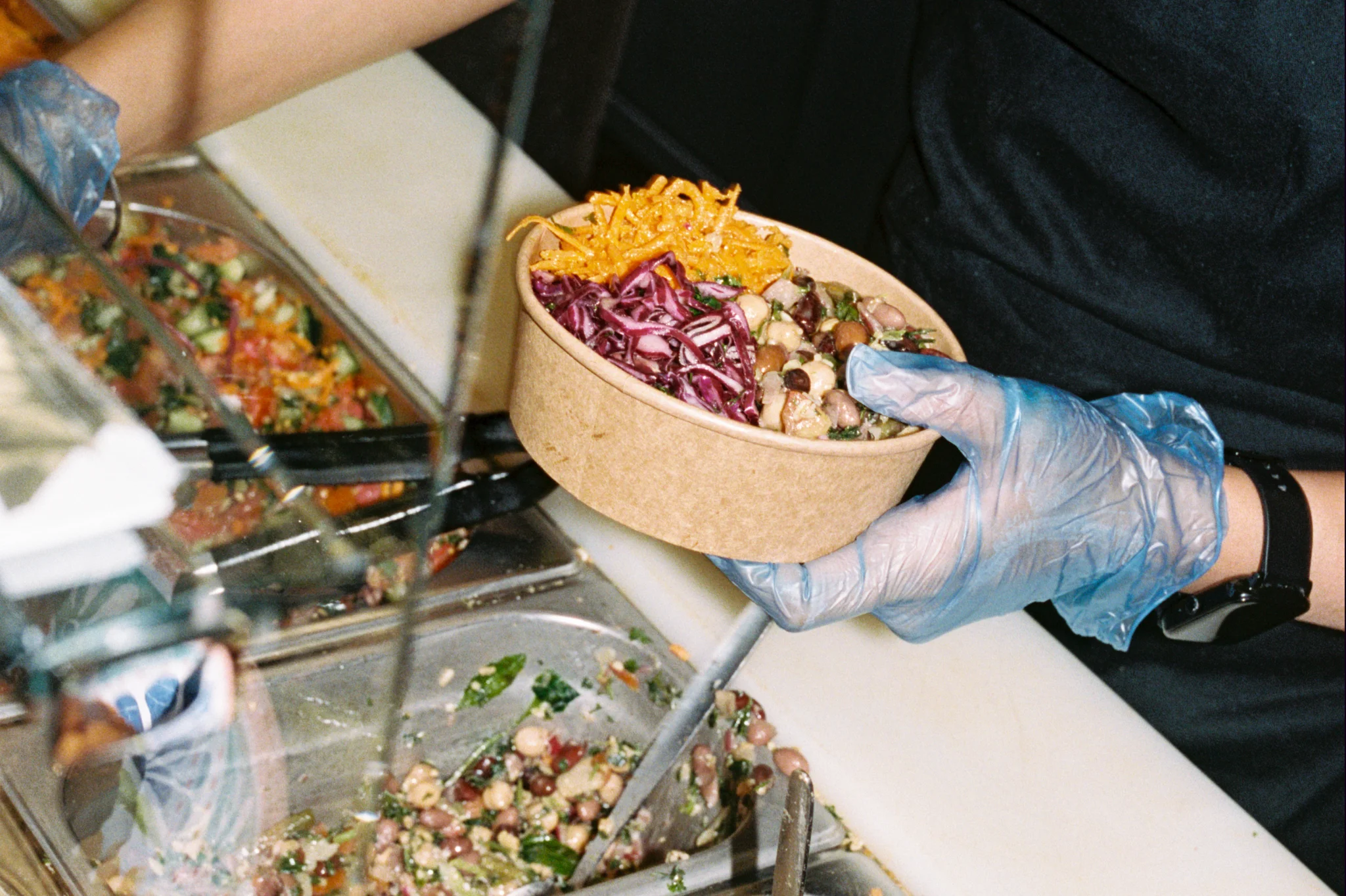
Over prepping leads to waste. Under prepping leads to inefficiency and rushed decision making. Many teams prep based on habit rather than actual demand patterns. With better visibility, prep can be aligned far more closely to what a venue is likely to sell, which prevents unnecessary wastage and protects team time.
Why these habits go unnoticed
Major issues get attention because they disrupt service or create an obvious financial inconsistency. Small habits do not create noise. They blend into the background until the financial impact becomes visible weeks later. By that point, the behaviour is ingrained.
There are three reasons these habits slip through unnoticed:
- Operators assume small behaviours do not have significant financial weight. They do. Repetition is what gives them scale.
- Many managers focus on outputs rather than inputs. They notice the cost issue, but not the daily behaviours that created it.
- Teams do not always understand the cost implications of their actions. Once they do, habits change quickly and naturally.
Building awareness is the first step. Visibility is the second.
How to identify small habits before they become expensive habits
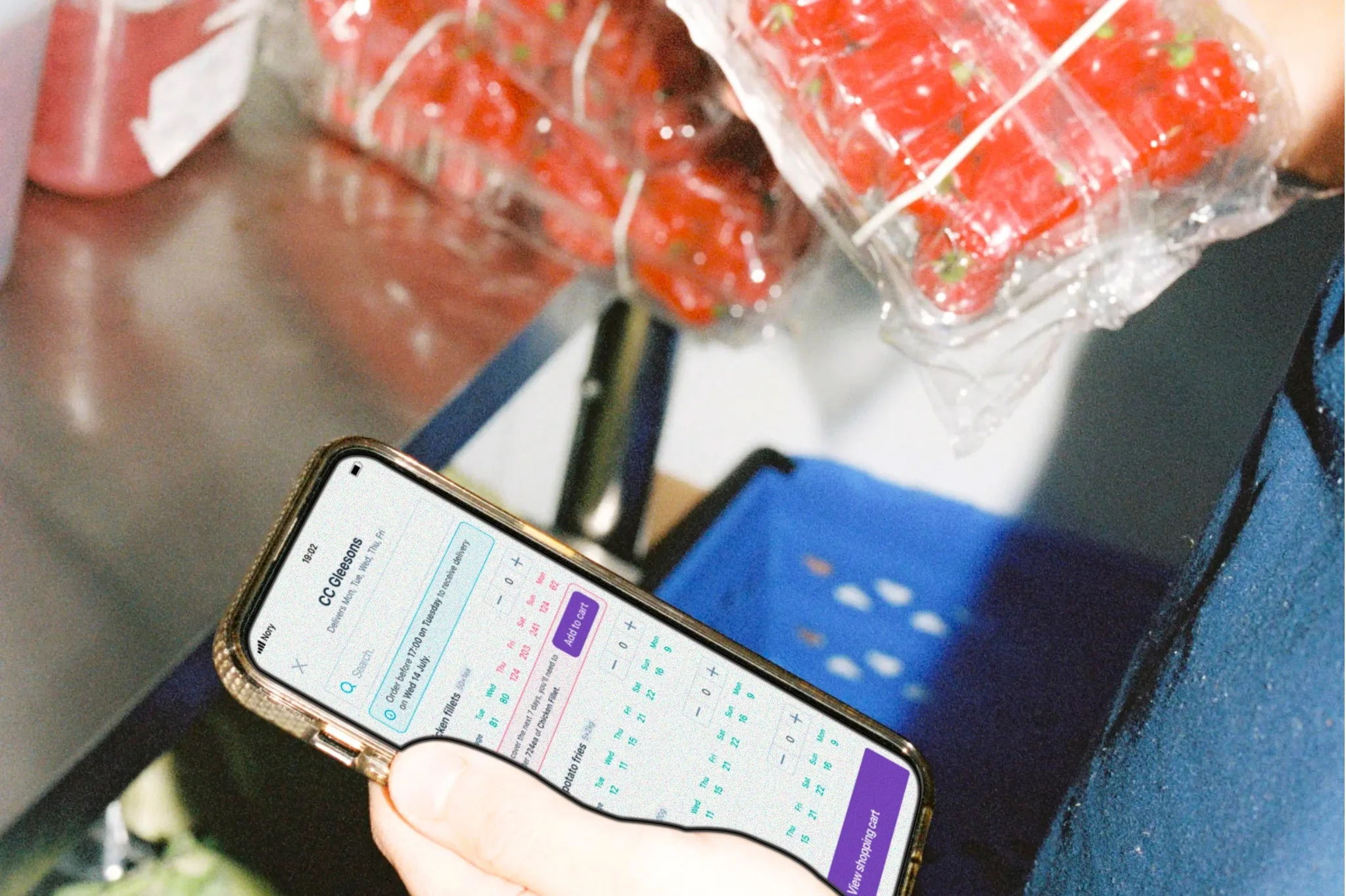
Look for patterns, not one off incidents
Repeated variances in the same product category tell you that behaviour is driving the issue. A garnish that always appears in wastage. A syrup that disappears faster during quiet weeks. Beer loss that consistently aligns with warm weather or certain shifts. These patterns reveal the story.
Use daily stock and waste discipline
Weekly stock does not catch behavioural issues in time. Daily logging creates the clarity needed to understand the rhythm of a venue. It also makes it far easier to identify where and when habits shift.
Bring teams into the conversation
Teams rarely repeat behaviours that they know are costly. When operators explain the impact of small habits clearly and consistently, teams usually adapt very quickly because the reasoning finally makes sense.
Set clear standards, not vague expectations
Prep guides, garnish specifications, pour standards and waste procedures are not restrictive. They are protective. They give teams the structure they need to operate confidently and consistently.
The financial impact of small improvements
.webp)
Every operator I have worked with who has taken stock of these small habits has seen material results. Reduced waste. Stronger GP. More predictable service. Teams that understand not just what they are doing, but why it matters.
Operational discipline is not built through large gestures. It is built through awareness of the dozens of small moments that shape a venue every day.
When those moments are managed with intention, profitability follows.
If you would like to see how Digbeth Dining Club applied these principles across its venues and large scale events operation, you can read their full success story here: Inside Digbeth Dining Club’s system for 0.38 percent labour accuracy and consistently strong GP.