
Kitchen inspection checklist: Steps for a safe, clean kitchen

Maintaining a clean and safe kitchen is no small feat. Between preventing cross-contamination, managing food spoilage, and navigating cluttered workspaces, there's a lot to contend with.
These challenges not only compromise hygiene, but they can also disrupt workflow and jeopardise restaurant food safety standards.
That’s where a kitchen inspection checklist comes in. A straightforward yet powerful tool to help you uphold hygiene, improve efficiency, and stay compliant with health inspection requirements.
In this article, you’ll learn what a kitchen inspection checklist should include and how to use it to keep your kitchen clean, safe, and consistently up to standard.
Example kitchen inspection checklist
Use this example kitchen inspection checklist to streamline audits, maintain food safety compliance, and keep your kitchen consistently inspection-ready.
Kitchen inspection checklist components
Understanding the different parts of a kitchen checklist helps you keep things clean, safe, and running smoothly without surprises.
A good checklist usually covers the basics like clean work surfaces, food stored at the right temperatures, proper labeling and stock rotation, and making sure equipment is working properly.
It also looks at hygiene habits and pest control, so you can catch small issues early before they turn into bigger problems or failed inspections.
Let’s take a look at these elements in more detail.
Food storage and inventory
Including food storage and inventory items in your kitchen inspection checklist is non-negotiable. Proper labeling, safe storage temperatures, and pest control all prevent spoilage, contamination, and foodborne illnesses.
Here are some of the inventory and food safety inspection checklist elements to cover in your checklist:
- Labelling and expiration dates. Everything should be clearly labeled with the date of receipt or preparation, and expired items should never be lurking in the back of your fridge.
- Storage temperatures. Use thermometers to ensure cold storage is below 5°C and hot holding is above 63°C. Head to the FSA’s chilling food guidelines and hot holding guidelines for more information.
- Pest control. Despite what the movie Ratatouille may have you believe, pests don’t make great chefs. Check for signs of pests, remove any potential attractants (like rubbish and food waste), and seal off any possible entry points. The pest control guidance from the FSA has some useful advice.
Nory success story 🥳 Discover how CUPP reduced food waste by 60% (from 3-5% to 0.5-2%) across the business since working with Nory!
“In the hospitality sector, you need everybody singing from the same hymn sheet. Having a central system like Nory helps us align our process across all our locations, which has been fundamental to our productivity and growth.” – Paul Tanner, Managing Director at CUPP.
Sanitation and cleanliness
Adding sanitation and cleanliness items to a kitchen inspection checklist is essential to maintain a hygienic environment. Not only does it prevent cross-contamination, it ensures that all surfaces, equipment, and utensils meet health standards.
Here are the items worth adding to your checklist for sanitation:
- Cleaning schedules. Add schedules to your checklist to ensure surfaces, appliances, and floors are cleaned daily. For deep cleaning, schedule regular intervals to tackle grease traps, vents, and hard-to-reach areas.
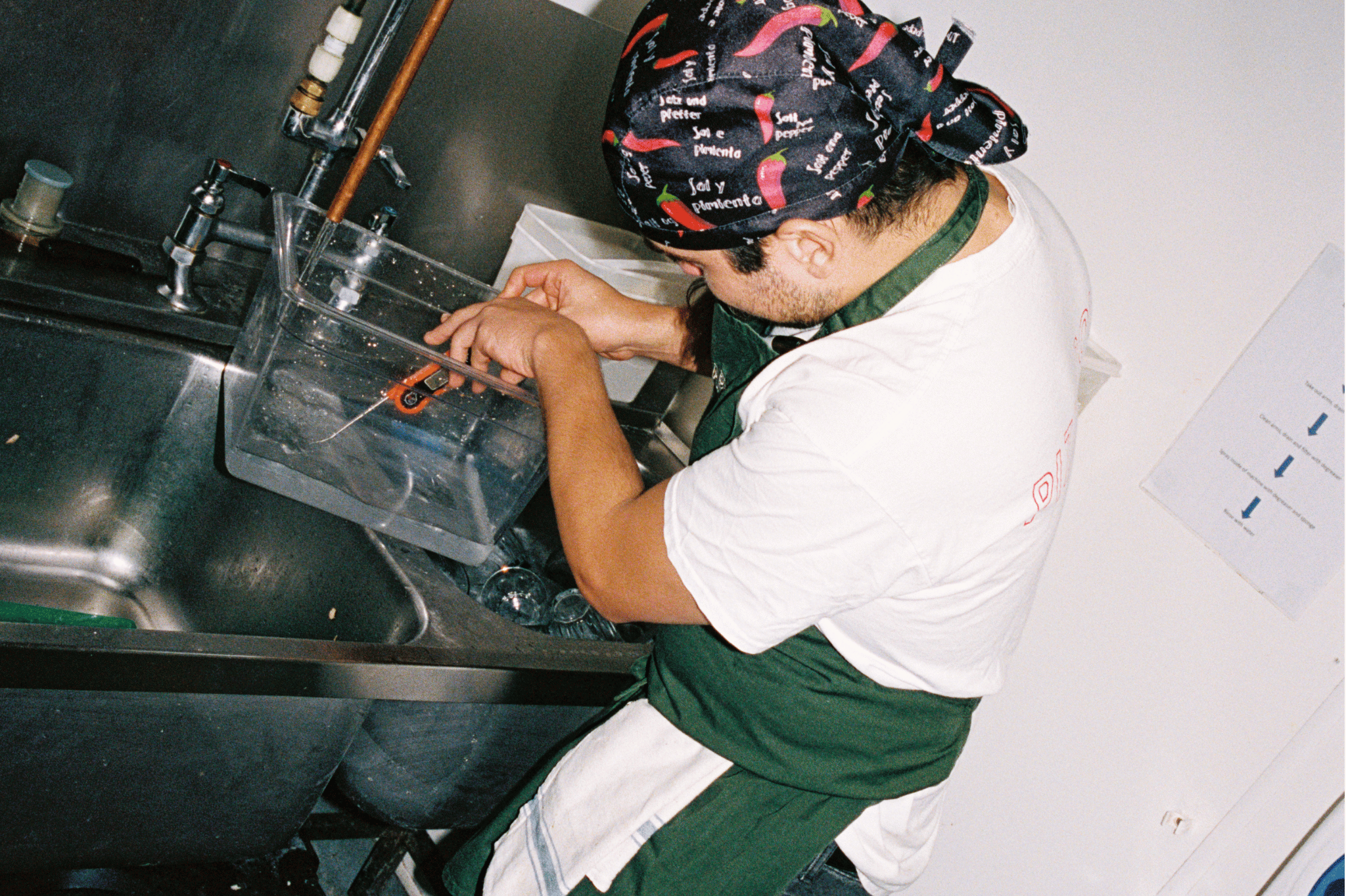
- Utensil sanitation. Implement procedures for washing, sanitising, and air-drying utensils and equipment. Here’s some guidance on how to clean effectively in your restaurant.
- Food preparation areas. Detail specific tasks, like sanitising surfaces, avoiding cross-contamination, and verifying that handwashing stations are stocked with soap and towels.
Hot tip 🔥 Inspectors may want evidence of your cleaning efforts, so it’s a good idea to keep a log for future inspections.
📘 Learn how Nory helps manage inspections and cleaning logs with ease.
Equipment maintenance
Including equipment maintenance items in your checklist ensures all appliances function safely and efficiently. As a result, you reduce the risk of breakdowns, food safety issues, and costly repairs.
Here are a couple of equipment maintenance areas to consider:
- Functionality checks. Ensure all appliances are operational and properly calibrated, especially thermometers and refrigeration units to accurately monitor temperatures and prevent unwanted bacteria.
- Preventive maintenance. Replace worn gaskets, sharpen blades, and clean ventilation systems before problems arise. It might not seem like a priority if things are still working, but trust us — it can save you a lot of time and money in the long run.
Health and safety compliance
No one wants fire hazards, accidents, or food safety breaches in their kitchen, right? Health and safety (H&S) compliance items help you protect staff and customers from these hazards, ensuring you follow legal regulations and minimise risks.
Here are some of the main H&S elements worth adding to your checklist:
- Fire safety. Verify fire extinguishers are within their expiration, ensure that fire exits are accessible, and test fire alarms. Regular cleaning of grease traps and ventilation systems is also a good preventative measure. Read the full breakdown of fire safety in the workplace to ensure you cover all the necessities. This overview from Avon Fire and Rescue also has some useful insight.
- Food waste management. Outline waste disposal protocols, including regular trash removal, cleaning bins, and pest-proofing. Read the food waste disposal guidelines and familiarise yourself with the food and drink hierarchy for more information on what these practices are.
- Personal protective equipment (PPE). Ensure staff have access to gloves, aprons, and other safety gear to keep themselves safe (and that they actually use them 👀). Find out more about clothing and PPE in this overview from the FSA.
Food for thought 🤔 Compliance requirements and government legislation change. This list is a good starting point, but it’s important to do your own research to ensure you cover all the ground that applies to your specific kitchen. You can also use the FSA’s food safety checklist and read the Government’s guidance on food safety and kitchen hygiene.
Kitchen inspection summary table
How to follow your kitchen inspection checklist
Having a checklist is great. It lays out everything you need to run a clean and hygienic operation.
But how do you make sure everyone follows the checklist? Here are some suggestions.
Train staff on inspection protocols
Consistency is key when it comes to maintaining a clean and safe kitchen environment. And what better way to ensure consistency than training staff?
When employees know what the inspection protocols are and how to perform them effectively, they’re far more likely to do it successfully.
Walk them through the checklist, show them how to review the items, and give them a step-by-step overview of what to do if something doesn’t align with your standards. When staff are trained to spot risks like cross-contamination or equipment malfunctions, the team contributes to a safer, more streamlined operation.
Hot tip 🔥 A reliable routine also helps staff perform the checks. But how do you create a regular schedule for inspecting the kitchen? Use an agentic AI operating system like Nory.
With Nory's Forecasting Assistant, you can accurately predict demand ahead of time. As a result, you can schedule regular inspections during quiet periods, so staff have the time and capacity to work through the checklist without distraction.
Categorise tasks by frequency
Breaking inspection tasks into daily, weekly, and monthly categories makes it less overwhelming and easier to manage. As a result, staff are more likely to perform the inspection regularly and to do it well.
Here’s how you might want to categorise your inspection checklist:
- Daily tasks focus on end-of-day essentials, such as wiping down surfaces, correctly storing food, and restocking sanitising supplies. These routine checks maintain immediate hygiene standards and prevent small issues from becoming bigger problems.
- Weekly and monthly tasks tackle deeper cleaning and maintenance needs, like inspecting vents, clearing grease traps, and checking equipment for wear and tear. These tasks keep your kitchen operating safely and efficiently while reducing the risk of costly breakdowns or health code violations, but daily checks aren’t necessary.
Use digital tools to streamline the process
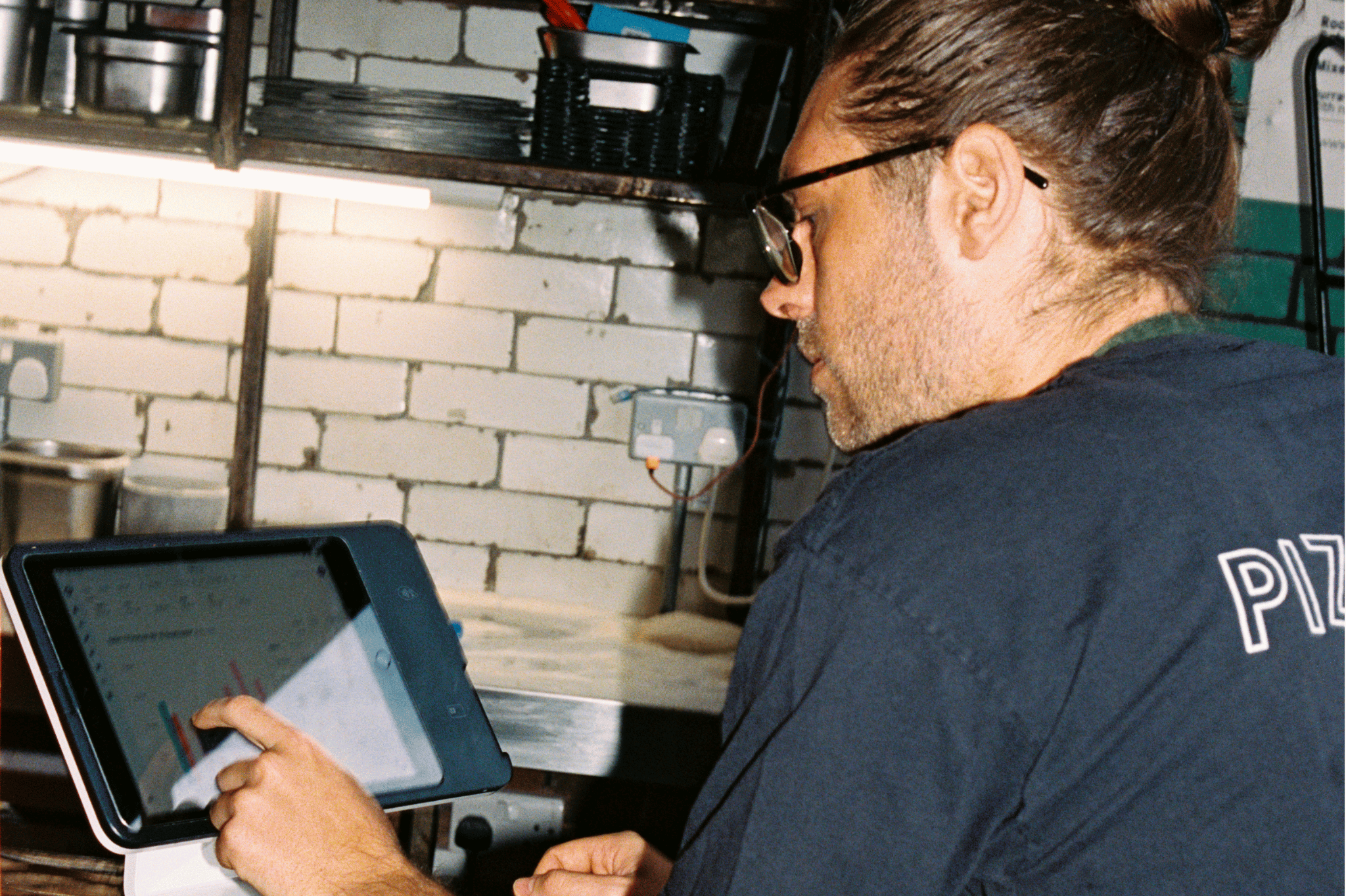
Digital restaurant tools can revolutionise your kitchen inspection process. How? By simplifying task management.
With digital checklists and automated reminders, you can:
- Track completed tasks
- Identify missed checks
- Ensure nothing falls through the cracks
Hospitality technology also makes it easier to maintain detailed inspection logs and compliance records, which is incredibly handy when government officials come to inspect your premises. You can quickly and easily pull up all the necessary data without skipping a beat.
Hot tip 🔥 Use a system like Nory to streamline and simplify your kitchen operations. Use the AI assistants to forecast sales, manage inventory, and create demand-based schedules (the Scheduling Assistant helps with this). With all these processes in place, it’s much easier to keep on top of your kitchen health inspection checklist.
Why a restaurant kitchen inspection is essential
Let’s take a look at the key reasons why kitchen inspections are crucial for restaurant success:
- Avoid health violations. Health regulations are strict (look at the info on the UK government website and the Food Standards Agency to see for yourself). Failing to meet them can result in fines, shutdowns, or even permanent closure. Fortunately, regular inspections help you identify potential violations before they escalate. By staying ahead of these requirements, you protect your business. 💪
- Improve food safety. Foodborne illnesses are a serious concern, and kitchens are high-risk environments for contamination. Inspections help detect sources of cross-contamination, unsafe food storage practices, and hygiene issues that could compromise food safety. 🦠
- Maintain a clean, efficient kitchen. A cluttered and disorganised kitchen can impact your workflow. For example, creating safety hazards by leaving equipment in the wrong place or causing food to spoil by storing it incorrectly. Not ideal. But inspections help you avoid these issues, ensuring you properly maintain work areas and store food appropriately. ✨
- Boost customer satisfaction. A spotless, well-organised kitchen improves the overall dining experience. Think about it — when your kitchen is clean and organised, it’s easier to deliver top-quality food. Food safety and hygiene are also central to customer satisfaction, and a kitchen that passes inspections without issues demonstrates your commitment to high standards. Result. 👏
- Protecting your reputation. A single food safety incident is all it takes to cause lasting damage to your restaurant brand. Put yourself in the customer’s shoes for a second — would you go to a restaurant with a known food hygiene problem? Probably not. Regular inspections reduce the risk of these problems and safeguard your restaurant’s reputation. 🎉
- Increase restaurant sales. Customers are more likely to dine at a restaurant with high cleanliness and hygiene standards. In fact, a study found that post-COVID, cleanliness and sanitation standards are some of the most important factors when choosing where to eat. 💸
Nory success story 🥳 Find out how Dr. Juice used Nory to keep its cost of labour 15% below target, which resulted in a massive 43% increase in sales per labour hour.

FAQs about kitchen inspection checklists
What should you do if you notice a food safety incident?
If you think your restaurant has sold or stored unsafe food, you must tell the FSA. You can either:
- Submit a food incident report
- Call them on the food incidents helpline (020 7276 8448)
- Email them at foodincidents@food.gov.uk
The FSA will then advise you of the next steps.
What to expect from a kitchen inspection?
A kitchen inspection involves reviewing your premises to ensure compliance with food hygiene and safety standards. The aim is to confirm that your kitchen protects customer health and meets regulatory requirements.
Inspectors evaluate:
- Cleanliness
- Food storage practices
- Equipment maintenance
- Staff hygiene
They’ll also check for potential hazards like cross-contamination, pest activity, or improper waste disposal. Expect questions about your processes and record-keeping, such as temperature logs or cleaning schedules.
What would a food hygiene inspection check for?
Inspections typically focus on ensuring your kitchen operates safely and hygienically. Here’s what inspectors check for:
- Food storage conditions, including temperature control and labeling
- Cleanliness of preparation areas, utensils, and equipment
- Pest control measures
- Staff hygiene practices, including the handling of raw and cooked foods to prevent cross-contamination.
- Documentation, such as cleaning schedules and training records, will also be examined to ensure compliance with legal requirements.
Stay ahead of food hygiene with a kitchen inspection checklist
A kitchen inspection checklist is a lifeline for maintaining food safety, hygiene, and compliance.
By adopting a detailed, well-structured checklist (and training your staff to use it effectively), you’ll create a cleaner, safer kitchen that runs smoothly and delivers a top-quality dining experience.
But the real difference comes when it’s easy to track, update, and actually use the checklist consistently across your team. That’s where restaurant management tools like Nory can help, turning inspections and daily checks into simple, repeatable workflows your team can follow in real time.
Ready to take control of your kitchen operations? Sign up for a product tour to find out more.