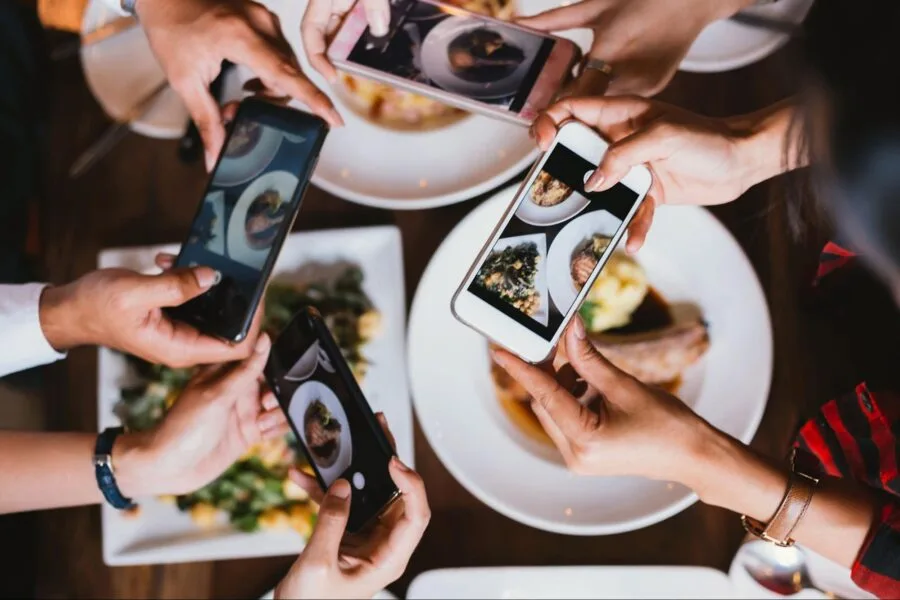
Restaurant aesthetic for social media: Crafting menus and spaces people want to share

Today the success of a restaurant extends far beyond serving great food. Dishes not only need to taste amazing, but they also need to look good enough to make it onto Instagram, TikTok, and Pinterest.
Restaurants that nail their aesthetic become destinations for diners, influencers, and foodies who want to show off their experience.
In this guide, we explore how to create a restaurant aesthetic that encourages social sharing. We cover everything from branding and menu design to interior ideas and real examples from successful restaurant operators.
The power of aesthetic in the restaurant industry
Aesthetic appeal is essential in shaping a diner’s experience.
38% of adults aged 18-34 choose restaurants based on how “Instagrammable” they are, and 63% of diners say they would pay more for a meal if they felt it was worth posting on social media. Not to mention, around 70% of diners post photos of food or a drink on social media.
This means everything, from the food presentation to the menu design, must appeal to the camera and, by extension, social media users.
But how do you create a space that encourages customers to share their experience? Let’s find out.
1. Create a strong restaurant brand identity
A strong brand identity helps you stand out in a crowded market and ensures your restaurant is memorable to diners, both in person and online.
Here are three tips for building a brand identity that makes your restaurant instantly recognisable:
Tip 1: Know your audience
A strong brand is one that resonates with its target audience, encouraging loyalty, trust, and more purchases.
So before diving into any design work, take the time to define your ideal customers. Are they young urban professionals looking for a trendy brunch spot? Families seeking comfort food? Foodies interested in experimental, high-end cuisine?
Understanding your audience helps you create an experience that appeals to their tastes and habits.
For instance, a trendy brunch spot might focus on minimalistic, modern decor with a playful menu, while a family restaurant might emphasize warmth, comfort, and approachability in both its design and service.
Tip 2: Consistency is key
Your brand identity should be cohesive across all touchpoints to show customers that you’re a legitimate and trustworthy restaurant.
This includes the visual elements (logo, colours, lighting, typography) as well as the background music you play in the restaurant, the tone of your messaging, the style of your service, and the overall dining experience.
Playing brand-fit music can increase sales by up to 9.1% (and inspire the perfect song choice for an Instagram story!).
When designing your space, menu, and even social media posts, ensure that everything fits within your brand’s visual and emotional guidelines.
If your restaurant prides itself on offering a luxe, fine-dining experience, avoid quirky or overly casual design choices that might dilute your image. Conversely, if you’re going for a fun, laid-back vibe, keep things playful and colourful across all platforms.
Tip 3: Create a story around your brand
People love a good story, and a brand with a compelling narrative will always stand out.
Whether your restaurant is rooted in family tradition, sustainable practices, or culinary innovation, find a story that captures the essence of what you do and why you do it.
This story should permeate your restaurant’s brand identity, from the design of the space, the names of your dishes, or the way you interact with customers online. Use your brand’s story as a framework for everything from menu descriptions to Instagram captions.
For example, a restaurant that prides itself on using locally sourced ingredients could incorporate elements of its farm-to-table philosophy into its:
- Decor (rustic wood tables, earth tones)
- Menu design (highlighting the origins of ingredients)
- Online marketing (sharing stories about the farmers and suppliers)
2. Craft aesthetic menus that encourage sharing
A well-designed menu can immediately communicate the tone and style of your restaurant, while also encouraging customers to interact with it (and maybe even post a picture of it on social media).
A restaurant’s menu isn’t just a list of food items, it’s a representation of the restaurant’s brand, mood, and experience. It sets expectations for customers before they even order. When menus are thoughtfully designed, they convey professionalism and attention to detail, boosting the perceived value of the dishes.
The layout, fonts, and colours should work in harmony to reflect the type of experience diners can expect.
A chic bistro might use elegant serif fonts with minimalist black-and-white designs, while a laid-back burger joint may lean into fun, bold fonts with vibrant colours. Consistency in aesthetics reinforces your restaurant’s identity and keeps it memorable.
To create a menu that people want to share, focus on the following elements:
- Typography: Use typography that complements your restaurant’s style. Handwritten fonts or elegant script can add a personal touch, while bold sans-serif fonts give off a more modern, clean vibe.
- Colours: Stick to a limited, cohesive colour palette that reflects your branding. This makes your menu not only visually appealing but also consistent with your restaurant’s overall theme. Neutral tones with pops of colour can highlight key items.
- Layouts and icons: A cluttered menu is a turn-off for diners. Keep your layout clean and easy to read, with plenty of negative space. You can add playful icons or small illustrations to enhance the theme and catch the eye. For example, small sketches of food items. Consider seasonal menus that feature Instagrammable style elements relevant to the season.
- Emphasise unique dishes: Highlight your restaurant’s signature or Instagram-worthy dishes by giving them visual prominence on the menu. Use special typography, place them in a box, or add an image next to the item to draw attention. People are more likely to share a photo of a dish that feels like it’s been carefully curated and presented.
3. Create Instagrammable restaurant spaces
The atmosphere of your dining area is just as important as the food when it comes to encouraging organic social media sharing. The goal is to design a space that feels inviting, interesting, and visually stunning so that people want to document their experience and share it with the world.
Key elements of a shareable space include:
- Lighting: This is arguably the most important factor when it comes to creating a space that looks great both in person and online. Natural light is ideal for enhancing food photography, but if that’s not available, warm ambient lighting works wonders. Avoid harsh, overhead lighting that casts unflattering shadows.
- Textures and materials: Incorporate different textures like exposed brick, wood, or tile to create depth and interest in your space. Mixed materials (like marble tables and velvet seats) offer tactile variety and give guests visually stimulating backdrops for their photos.
- Feature walls and art installations: A “wow” factor, like a stunning mural, neon sign, or even a quirky piece of art, is a great way to make your space memorable. These elements become focal points where people want to take pictures or selfies, generating free social media exposure for your restaurant. Think about creating a photo-worthy corner or backdrop that’s begging for an Instagram moment.
- Tableware and glassware: Opt for unique tableware that complements your food presentation. Mismatched ceramics, stoneware, or minimalist designs can make a dish pop. Instagram is full of close-up shots of meals, so the surface it’s served on matters.
- Tablescapes: Consider table details (like tablecloths, placemats, and centrepieces) that add to the overall experience. Fresh flowers, candles, or even quirky salt-and-pepper shakers can all contribute to making your space feel distinctive and photogenic.
4. Encourage organic social media sharing
Organic posts from diners act as real social proof, helping potential customers discover your restaurant and trust the recommendation.
Research shows that 93% of people make buying decisions based on online reviews, and an organic social media post is essentially a positive review. 82% of potential customers also trust recommendations from people they actually know more than advertisements. Seeing a friend or family member posting an Instagram story of themselves having fun and enjoying the food at a restaurant ticks both of these boxes.
While creating a beautiful space is a good start in getting people to post about your restaurant, you might need to offer a little more to encourage them to actually do it.
Here are a few subtle ways to encourage diners to post about your restaurant:
- Incentivise posts: Give customers a reason to share their experience by offering small rewards for user-generated content. This could be a free drink, discount on their next visit or entry into a monthly giveaway for guests who tag your restaurant in their posts. Keep the incentive simple and authentic so it encourages genuine recommendations rather than forced promotion.
- Create shareable moments: Research shows that 73% of consumers are likely to order food that they saw on social media to post about it themselves. Design specific aspects of the dining experience that are intended for sharing. This could be a dramatic presentation of a dish (think smoking cocktails or over-the-top dessert towers), a branded hashtag or sign in the background, or even something interactive like a photo booth.
- Offer free Wi-Fi: This is a no-brainer. People are far more likely to share their experience in real time if they have easy access to Wi-Fi. Include a reminder on your menu or table tent that encourages customers to post photos and tag your restaurant. Include your official social media handles and any branded hashtags you want to promote.
- Engage with diners online: If a customer posts about their visit, make sure to engage with them. Approximately 70% of diners are more likely to choose a restaurant if they respond to social media comments. Like, comment, and share their posts to show your appreciation. This creates a positive feedback loop and encourages more guests to share their experiences in the future.
Restaurant aesthetic ideas: Social media inspiration from real operators
The best restaurant brands create a recognisable visual identity that carries across their food, locations, social media, and customer experience.
From showcasing the story behind ingredients to sharing customer moments and seasonal campaigns, successful operators use social media to turn their restaurants into experiences people want to be part of.
Here are a few examples of operates that have built memorable aesthetic restaurants on Instagram:
Roasting Plant Coffee
Roasting Plant Coffee is a specialty coffee brand known for its focus on freshly roasted beans and its unique approach to brewing coffee. The company highlights the journey from bean to cup, with a strong emphasis on sourcing, roasting, and the craft behind every drink.
The social aesthetic reflects this focus on storytelling. Rather than simply sharing finished drinks, Roasting Plant takes customers behind the scenes with content about where its coffee beans come from, the roasting process, and the people involved in creating each cup.
The feed combines close-up shots of coffee, cafe moments, and lifestyle content that shows customers enjoying coffee in different settings. This creates a sense of exploration and discovery, positioning coffee as an experience rather than just a product.
Find out how Roasting Plant Coffee took control of labour costs and improved operational efficiency with Nory.
Black Sheep Coffee
Black Sheep Coffee has built its brand around doing things differently. The coffee chain combines specialty coffee with a bold, playful personality that helps it stand out in a crowded market.
Its social media feels like an extension of the in-store experience. The brand mixes funny videos, behind-the-scenes content, and high-quality product photography to keep its audience engaged.
New drinks and seasonal launches are a big focus, with the brand adapting its visuals throughout the year to match different campaigns and moments.
Black Sheep Coffee uses its aesthetic to make customers feel excited about what’s coming next. It’s a good example of how restaurants can use social media to build anticipation, not just showcase what’s available.
Find out how Black Sheep Coffee scaled operations across locations with Nory.
Pieminister
Pieminister proves that a restaurant aesthetic doesn’t need to be sleek or minimalist to be memorable. The British pie brand has built a fun, colourful identity around its handmade pies and the experience of enjoying them with friends and family.
Its Instagram account reflects that personality perfectly. The feed is full of bright food photography, customers enjoying their meals, and moments from inside its different locations. It also makes great use of user-generated content, sharing real customer experiences alongside professional shots.
By showing both the food and the people enjoying it, Pieminister creates a sense of community around the brand. Customers aren’t just buying a pie, they’re becoming part of the experience.
Find out how Pieminister built financial clarity and operational confidence with Nory.
FAQs about how to encourage organic online sharing
Why is the aesthetic of a restaurant menu important?
The menu sets the tone for the dining experience. A well-designed menu not only enhances the restaurant’s brand but also makes a lasting impression on customers. Visually appealing menus encourage diners to share their experiences online, turning the menu into a social media feature. Highlighting signature dishes or adding fun, interactive elements like QR codes for digital content can also drive sharing.
What elements make a restaurant interior aesthetic Instagrammable?
The right lighting, unique design features, and visually striking decor can inspire diners to make snaps, reels, and stories about their experience. Natural or soft ambient lighting helps diners capture better photos of their meals, while statement pieces like murals, neon signs, or feature walls encourage customers to take and share photos. Thoughtful details like textured surfaces and eye-catching table settings also enhance the shareable experience.
How does branding tie into menu and space design?
A restaurant’s branding should be consistent across all elements, like menu, decor, and online presence. A strong brand identity, reflected in the style of the menu and the design of the space, creates a cohesive and memorable experience for diners. This consistency encourages customers to associate your aesthetic with your food, making them more likely to share online.
Create a consistent restaurant experience across every location with Nory
Creating a restaurant aesthetic that customers want to share comes down to consistency. From your branding and menu design to your interior, food presentation, and online engagement, every touchpoint should feel like part of the same experience.
For multi-site restaurants, maintaining that consistency can be challenging. Each location needs to deliver the same quality, presentation, and customer experience while still adapting to local audiences.
Nory helps restaurants achieve this by giving teams better control over operations across every site. From ensuring menu items are consistent to helping teams make smarter decisions around inventory, labour, and demand, Nory gives you the visibility to deliver the same high standards at scale.
Ready to create a more consistent and profitable restaurant operation? Book a call with Nory today to see how our agentic AI can help you manage every location more effectively.