

Auto-Enrolment Pensions in Ireland (Hospitality): What you need to know
My Future Fund is now live, so eligible employees are being automatically enrolled into Ireland’s new pension scheme. As a result, employers now need to make sure their payroll, employee records, and processes can handle auto-enrolment correctly.
That’s particularly important in hospitality, where part-time hours, seasonal work, staff turnover, and changing eligibility can make payroll more complicated.Here’s what hospitality employers need to know.
Auto-enrolment in Ireland, 2026: What is My Future Fund?
My Future Fund, Ireland, is a state-administered auto-enrolment pension scheme, which automatically enrols eligible employees into a workplace pension.
The scheme launched on the 1st of January 2026 to make pension saving more accessible for employees who don’t already have a qualifying workplace pension.
For hospitality employers, the change is particularly relevant because many employees work part-time, hourly, seasonal, or irregular hours. Employers now need to account for auto-enrolment alongside their existing payroll and employment costs.
Recommended reading: Why restaurants are moving toward agentic AI systems to manage payroll
Who enrolls into My Future Fund?
Employees aged 23 to 60 who earn more than €20,000 a year (and don’t already have a qualifying workplace pension) are automatically enrolled into My Future Fund.
For hospitality employers, the €20,000 earnings threshold needs particular attention. A full-time employee earning at or above minimum wage will typically meet the threshold, while many part-time employees won’t.
However, the scheme also looks at an employee’s total earnings across all employments, not just what they earn from your business. So a part-time employee who earns less than €20,000 with you could still qualify if they have another job that takes their combined earnings above the threshold.
That means employers need accurate employee and payroll information to identify who meets the eligibility criteria.
The good news is that agentic AI restaurant operating systems like Nory can help.
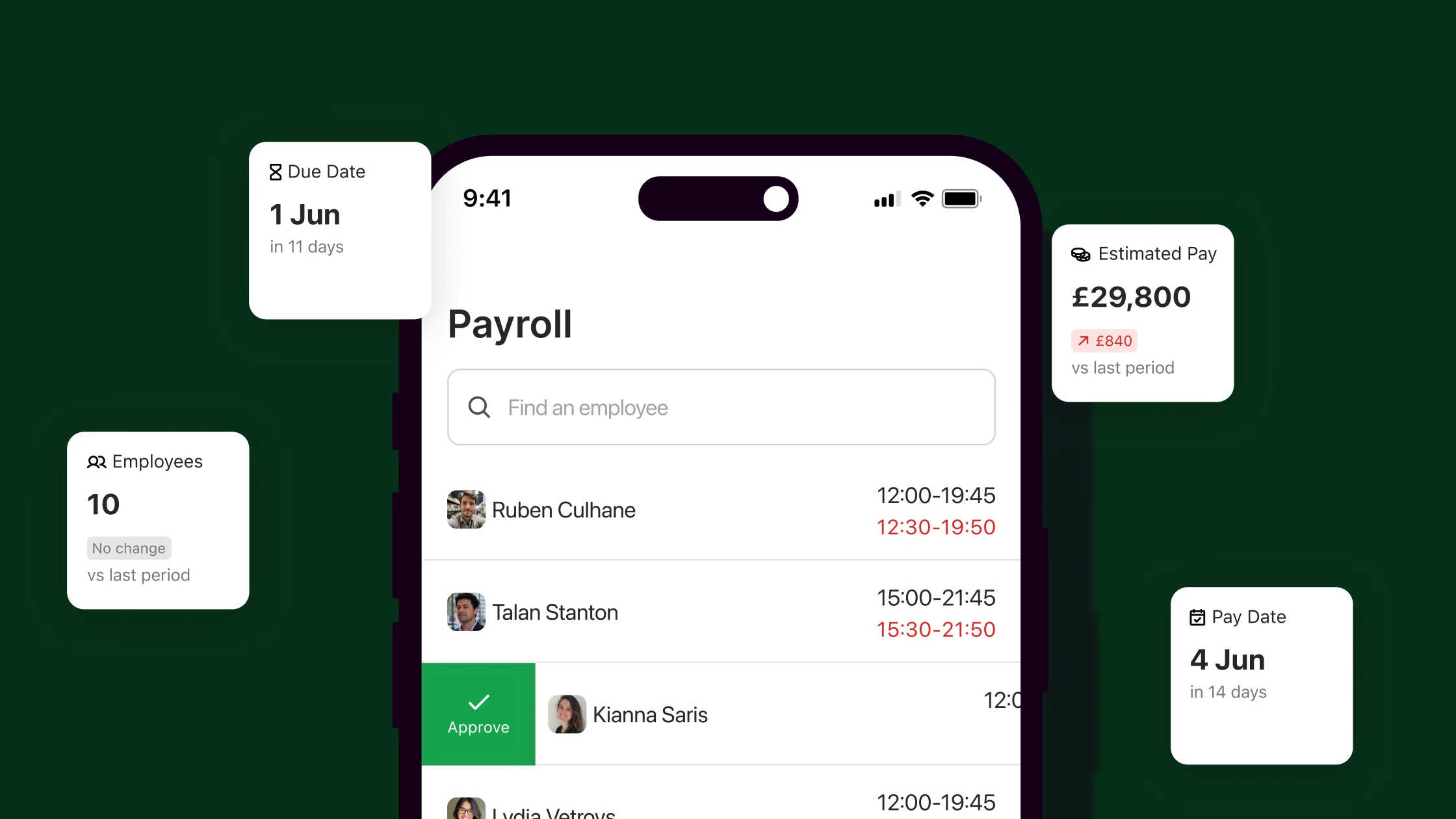
Nory’s Payroll Assistant brings employee records, timecards, schedules, and payroll data together, making it easier to manage the information behind your payroll. The agent builds each pay run from the latest available data and flags discrepancies, unusual payments, and missing information for managers to review before payroll closes.
Nory doesn’t replace the employer’s responsibility to check My Future Fund eligibility. Instead, it gives payroll teams a more connected view of the employee and pay data they need to manage the process.
Side note: The National Automatic Enrolment Retirement Savings Authority (NAERSA) identifies if an employee is eligible for auto-enrolment. You can find out about their criteria on this page of the My Future Fund website.
What do employers contribute to the auto-enrolment pensions in Ireland?
Employers contribute 1.5% of an enrolled employee’s gross pay in the first three years of My Future Fund, with the rate gradually increasing to 6% from 2035.
The contribution rates are phased in over the first 10 years of the scheme:
The rates apply according to the year of the scheme, not how long an individual employee has been enrolled. So someone who joins My Future Fund in 2035 will start at the 6% rate.
Contributions are calculated on gross pay, with employer and Government contributions capped at a salary of €80,000 a year. If an employee earns more than €80,000, their own contributions can continue, but employer and Government contributions don’t apply to earnings above the cap.
For hospitality businesses, the initial 1.5% employer contribution may seem relatively small, but the cost will increase over time. An employee earning €30,000 would currently cost the employer €450 a year in My Future Fund contributions. At 6%, that would rise to €1,800 a year, assuming their gross pay stays at €30,000.
If you have dozens of enrolled employees, those increases can add up quickly. It’s worth modelling the cost now so you know how My Future Fund will affect your labour budget as contribution rates rise.
You can get more information about the scheme on the Citizens Information website.
What the auto-enrolment means for hospitality
For hospitality employers, My Future Fund adds an ongoing payroll process to a workforce that often includes part-time, seasonal, and frequently changing employees.
My Future Fund identifies employees who meet the eligibility criteria and automatically enrols them based on the payroll information provided by their employer. Employers then need to make the required contributions and provide accurate information so the scheme can administer enrolment correctly.
The rules around opting out add another step. Employees can opt out between months 7 and 8:
- After their initial enrolment
- After a contribution rate change
If they opt out, they receive a refund of their own contributions, while the employer and State contributions are returned to the scheme.
Opting out doesn’t necessarily end the process, either. My Future Fund re-enrols employees every two years if they meet the eligibility criteria at that point.
What employers need to do now
Employers need to register with MyFutureFund, submit payroll information each time they run payroll, pay contributions on time, and tell employees when they’re enrolled.
Watch this video for a full breakdown on how to register:
You don’t need to work out which employees qualify yourself. NAERSA identifies eligible employees using payroll information from Revenue, including their age, earnings, and pension contributions.
What this does mean for you is that accurate payroll data matters, particularly for hospitality businesses with part-time, seasonal, and changing workforces.
To get set up, employers need to register through the MyFutureFund employer portal and set up a payment method. Each time you run payroll, you then need to submit your payroll information to NAERSA. You can do this through an integrated payroll system (like Nory), by uploading a payroll file, or manually through the employer portal.
MyFutureFund calculates the contributions you owe from the payroll submission. You must pay those contributions by 6.30pm Irish Standard Time on the employee’s pay date. Setting up a Direct Debit means MyFutureFund can collect the payment automatically after you make your payroll submission.

You also need to tell employees when they’ve been enrolled. MyFutureFund provides welcome letters through the employer portal, including the employee’s enrolment date, which employers can download and send to their staff.
Clear communication matters in hospitality. Employees may see a new pension deduction on their payslip, so telling them what the deduction means and when their enrolment starts can prevent confusion when payroll changes.
The compliance risk of getting it wrong
Employers have legal obligations under MyFutureFund, Failing to meet them can lead to compliance action, interest, fines, and, in serious cases, prosecution.
The most immediate risk for employers is failing to pay contributions on time. Contributions are due by 6.30pm Irish Standard Time on the employee’s pay date. If a payment is late, NAERSA can start its late payment process. The process includes a formal reminder letter, a compliance notice, interest, and penalties.
Continued non-payment can lead to legal action to recover the outstanding contributions.
These risks make accurate payroll information and timely submissions even more important. Employers need to submit payroll information to NAERSA each time they run payroll, and MyFutureFund uses that information to calculate the contributions due.
Read the full breakdown of obligations in the My Future Fund Employer Handbook.
Let Nory help with auto-enrolment
An integrated payroll system can reduce the manual work involved in managing MyFutureFund alongside your wider payroll processes. Instead of moving employee, pay, and pension information between separate systems, your data flows through one connected process.
Nory brings payroll, workforce management, and compliance into one system. Employee data flows through the payroll process without the need for constant manual checking and rekeying.
Nory’s AI agents play a crucial role in helping operators manage pensions. The Payroll Assistant, for example, reduces the manual payroll work around MyFutureFund and flag issues before payroll closes.
The agent builds pay runs from schedules, timecards, and employee records. Then, it flags missing employee information, unusual payments, new joiners, leavers, and other exceptions for review.
This visibility gives payroll teams a clearer process for reviewing employee and pay data before they submit payroll. Nory also supports pension deductions within the pay run, while managers retain control over what gets reviewed and approved.
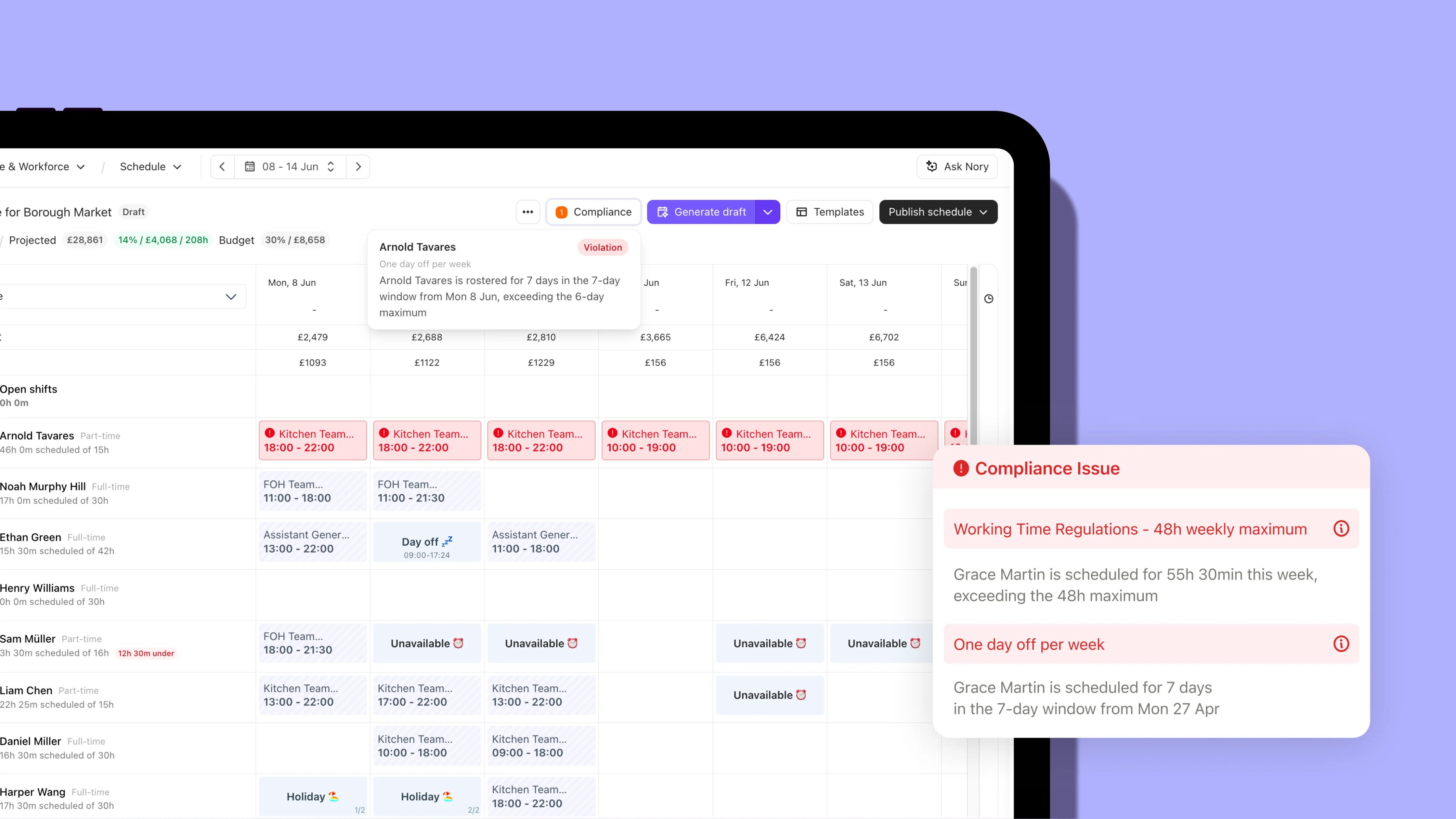
Nory’s Compliance Assistant also helps operators apply workforce rules based on the location where each employee works.
The software covers Ireland and includes employer contributions among the rules it can apply. When regulations change, the agent updates the relevant rules, and can flags compliance issues for review.
As a result, your payroll team can spend less time checking data manually and more time reviewing the exceptions that need attention. That gives you a more consistent process for managing payroll as your workforce changes and MyFutureFund contribution rates increase.
Want to simplify your payroll processes and stay on top of changing compliance requirements? Book a chat to see how our AI Assistants can support your team.