Why restaurant operating models were never engineered

I want to say something that might be uncomfortable to hear: the restaurant industry's current struggles aren’t the result of operators failing. They’re the result of an industry that was never properly designed.
When we frame the problem as a failure of effort or discipline, we look for harder-working solutions, adding more pressure, more oversight, and more controls. But when we understand it as a structural problem, we can start building the right kind of fix.
Restaurants didn’t arrive at their current challenges because the people running them lacked intelligence, commitment, or care. They arrived here because the industry evolved without a formal operating model. And for a long time, nobody needed one.
Hospitality is built on people, not systems
Historically, restaurants were built around individual expertise. A lot of what made a restaurant work lived in the heads of the people running it, from knowing how to handle a busy service to spotting when something was going wrong with the numbers.
Success depended on that restaurant management experience rather than on systems designed to make hospitality operations run consistently. When a great person left, performance often dipped until someone else could fill the gap. That was just part of running a restaurant.
For a long time, that model worked well enough. Costs were relatively steady, demand was easier to predict and margins, while never huge, didn’t move around as much. If a decision took another day or two, it usually didn’t make a huge difference to the business.
That environment no longer exists.
When the hospitality environment changed, the operating model didn't
The restaurant environment changed faster than the way most businesses were set up to run.
Today, labour is harder to plan around. It takes an average of 16 days to fill an hourly role and 46 days to fill a management position. Demand is less predictable too, with customers moving between dine-in, delivery, takeaway, and online ordering, each with different operational demands.
At the same time, costs are rising faster than many operators can pass them on.
The gap between what leaders believe is happening in their business and what is actually happening has widened considerably. And when margins are already tight, there’s less room to get it wrong.
Many operators responded to this by adding controls like new reports and more targets, both of which add pressure when the numbers don’t look right.
But that doesn’t necessarily make the operation better. It can just leave managers spending more time explaining what happened when it’s already too late. The weekly review becomes a post-mortem. The monthly P&L tells you what went wrong last month.
The way the business runs day to day hasn’t really changed. Why operational structure is the main culprit
As a restaurant business grows, you can’t rely on people fixing problems as they come up. There are simply too many things moving at once. If performance depends on who is working that shift, not on how the business is built, that fragility is exposed quickly.
This is something I see consistently across the operators we work with at Benchmark Sixty. The teams are working hard, but they’re often trying to manage more complexity than their operating model was designed for. GMs are stretched across too many variables, with limited visibility and not enough time to get ahead of problems.
A pattern that surfaces consistently across portfolios:
- When labour hours grow faster than transactions, labour percentage goes up.
- When transactions grow faster than labour hours, margins tend to hold or improve.
That relationship sounds simple, but it’s easy to lose sight of when you’re managing a busy operation. Staffing decisions are made based on what happened last week, what the team looked like yesterday, or what a manager thinks might happen tomorrow. The small gaps don’t always look significant on their own. Over time, though, they add up.
We saw this clearly at Hampshire Pub Co as the business scaled. Spreadsheet-led scheduling and instinct-based decisions meant that different people were working from different numbers. Too much time went into reconciling what had happened instead of deciding what to do next.
When you’re running a handful of pubs, you can keep everything in your head. Once you start growing, you can’t. Growth exposes everything.
Adam Lewis, Operations Manager at Hampshire Pub Co.
Side note: This is where platforms like Nory can make a real difference. Nory’s agentic AI operating system brings sales, labour, and operational data together, then uses it to give teams a clearer view of what’s coming.
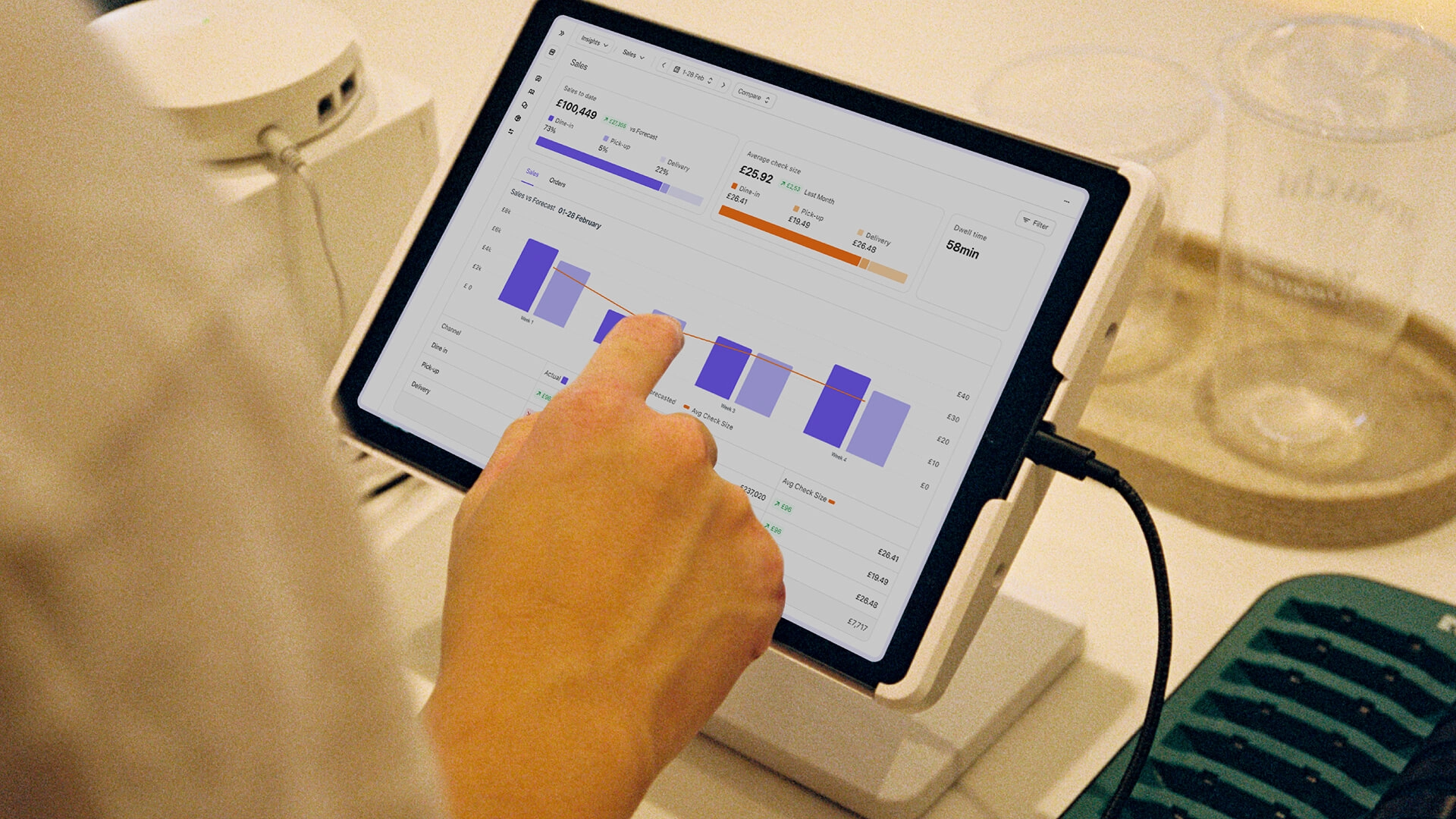
The Forecasting Assistant predicts demand so managers aren’t building schedules from last week’s numbers, while the Scheduling Assistant turns that forecast into a schedule that matches labour to expected demand.
The Ordering Assistant also uses forecasted demand to help teams order the right stock for each location at multi-site restaurants, reducing over-ordering and waste without leaving managers to rely on guesswork.
These real-time insights give managers a much better starting point. They can see where they’re likely to need more people, where they may be overstaffed, and where the plan needs adjusting before the shift starts.
Book a chat with the team to see how Nory can help you boost restaurant profitability.
What a restaurant operational system means in practice
A good restaurant management system doesn’t replace experience, but it does give people better information to work with so they can make decisions earlier and with more confidence.
As restaurants get bigger and more complex, this functionality matters more.
When there are more sites, more channels, and more moving parts, small problems can turn into expensive ones surprisingly quickly. The earlier a team spots them, the more options they have to do something about them.
The first step is understanding where the gaps are. How does the forecast feed into the rota? Are stock orders based on what’s actually expected to sell? When does the team look at performance, and who’s responsible for acting on it?
Those things shouldn’t depend on who happens to be working that week or what they remember from the last one. They need to be built into the way the business runs.
That’s the shift we’re seeing with operators who are protecting their margins. They’re putting more structure around the decisions that matter, so teams can spend less time reacting and more time getting ahead of what’s coming.
Want to find out more? Download the full whitepaper for a breakdown on what’s happening in the industry right now and how to prepare your business for what’s to come.
This article draws on research and operator perspectives featured in The Definitive Guide to Restaurant Success in 2026, produced in partnership between Benchmark Sixty and Nory.