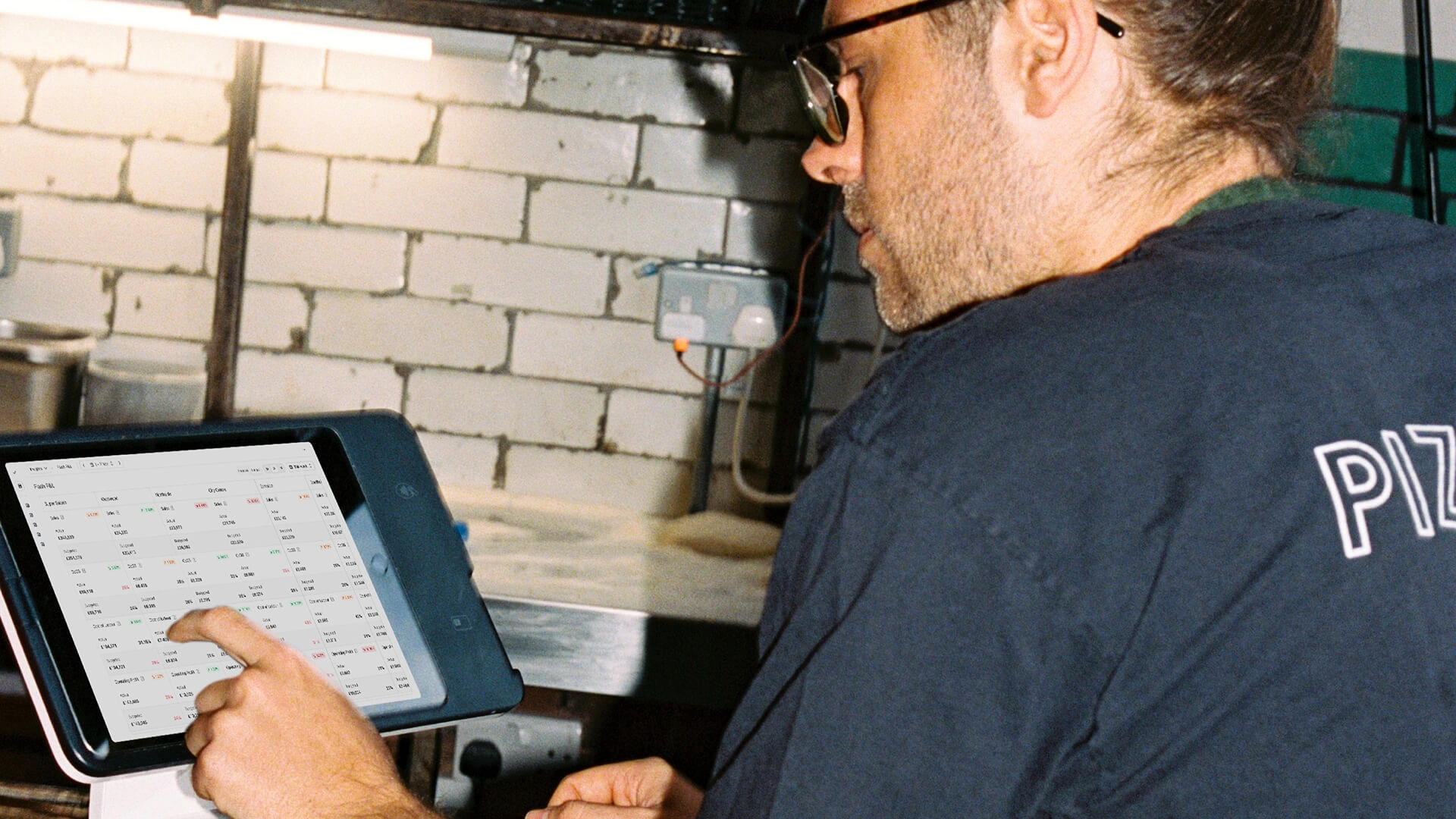
AI for restaurant operations: What does it really mean?

We all know that restaurant margins are tight. With costs continuing to climb, the pressure on operators to make better decisions is growing, leaving less room for error.
Artificial intelligence (AI) promises to help, which sounds great in theory. But with so much hype around AI for restaurant operations, it’s hard to know what actually makes a difference to your bottom line.
At the Hospitality Tech Expo (HTE) keynote, Nory’s team sat down with Jack Lander, co-founder of Pizzarova, to talk about:
- Where AI for restaurants can make a practical difference
- What it takes to get a new system working across multiple sites
- Why the relationship behind the technology matters as much as the software itself
Read on for the key takeaways from the discussion. Find out where AI can help restaurant operators most, what it takes to make it work in practice, and what other operators can learn from Pizzarova’s experience.
The reality behind the hype of restaurant AI
Restaurant operators are under constant pressure to make better decisions with less room for error, and AI is attracting attention as a way to help them do that.
As the HTE keynote opened, we described the kinds of problems that can derail a morning before service even begins:
- A team member doesn’t show up
- A supplier delivers late
- An order arrives with something missing
Each problem needs attention. The operator often has to step in because they’re the only person with a clear view of what’s happening across the business.
That pressure is harder to absorb when margins are tight. The talk highlighted the ~2% average margin facing UK restaurants, leaving operators little room to absorb rising costs or mistakes.
But cutting costs and adding more hours aren’t always the answer.
Operators need to understand what’s happening across their business and make changes before small problems become expensive ones.
This is where the conversation around AI gets practical.
Rather than adding another tool or giving managers more data to sift through, AI helps teams spot what needs attention and make better decisions while there’s still time to act.
Recommended reading: How to reduce restaurant labour costs without cutting hours
Where AI helps restaurant operators, and where the hype falls short
AI helps operators forecast demand, plan labour, and manage inventory. However, the real value depends on how well the technology handles those specific jobs and helps teams act on the results.
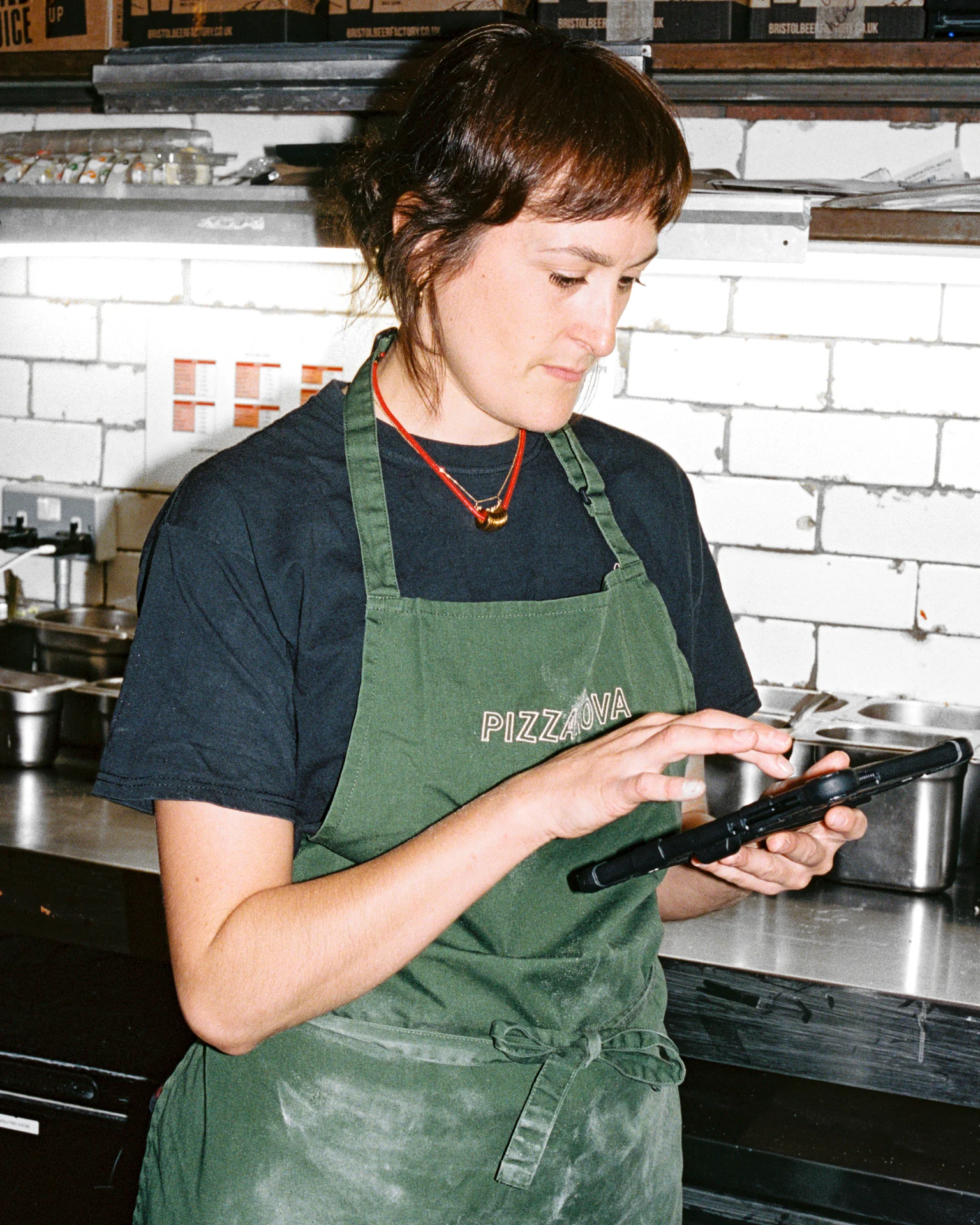
During the keynote, we explained how AI combines specialist machine learning models with a language layer that helps people understand what the system is seeing and why:
- The specialist models handle tasks such as demand forecasting, workforce scheduling, and inventory management.
- The language layer makes the results easier to interpret, so managers can use the information without needing to be data analysts.
This approach also changes how the software works.
Traditional systems follow rules that people define. But AI models? They assess results they produce and improve as they learn more about a restaurant’s trading patterns.
Where [AI] differs from traditional software is that instead of having something specifying rules, exactly what needs to happen, instead you're verifying the results.
Tom Hipwell, VP of Engineering at Nory
Think about forecasting as an example. AI can produce more accurate forecasts by learning from your previous sales, demand patterns, and external factors like weather and local events.
As a result, it helps operators make better decisions and respond faster when conditions change.
Why? Because there’s less guesswork when planning labour and inventory, fewer costly mismatches between supply and demand, and more time for managers to focus on running their restaurants.
We also made an important distinction: not every task needs AI, and not every product that claims to use it delivers a meaningful result.
The strongest use cases solve a specific operational problem and give teams information they can act on, which leads us nicely into our next section.
The Pizzarova story: From operating out of a Land Rover to a scalable restaurant business
Pizzarova started with co-founder Jack Lander cooking pizzas from the back of a Land Rover. Today, the business runs five sites across Bristol and Bath, an events business, London pop-ups, and a newer concept, Greens & Grains.
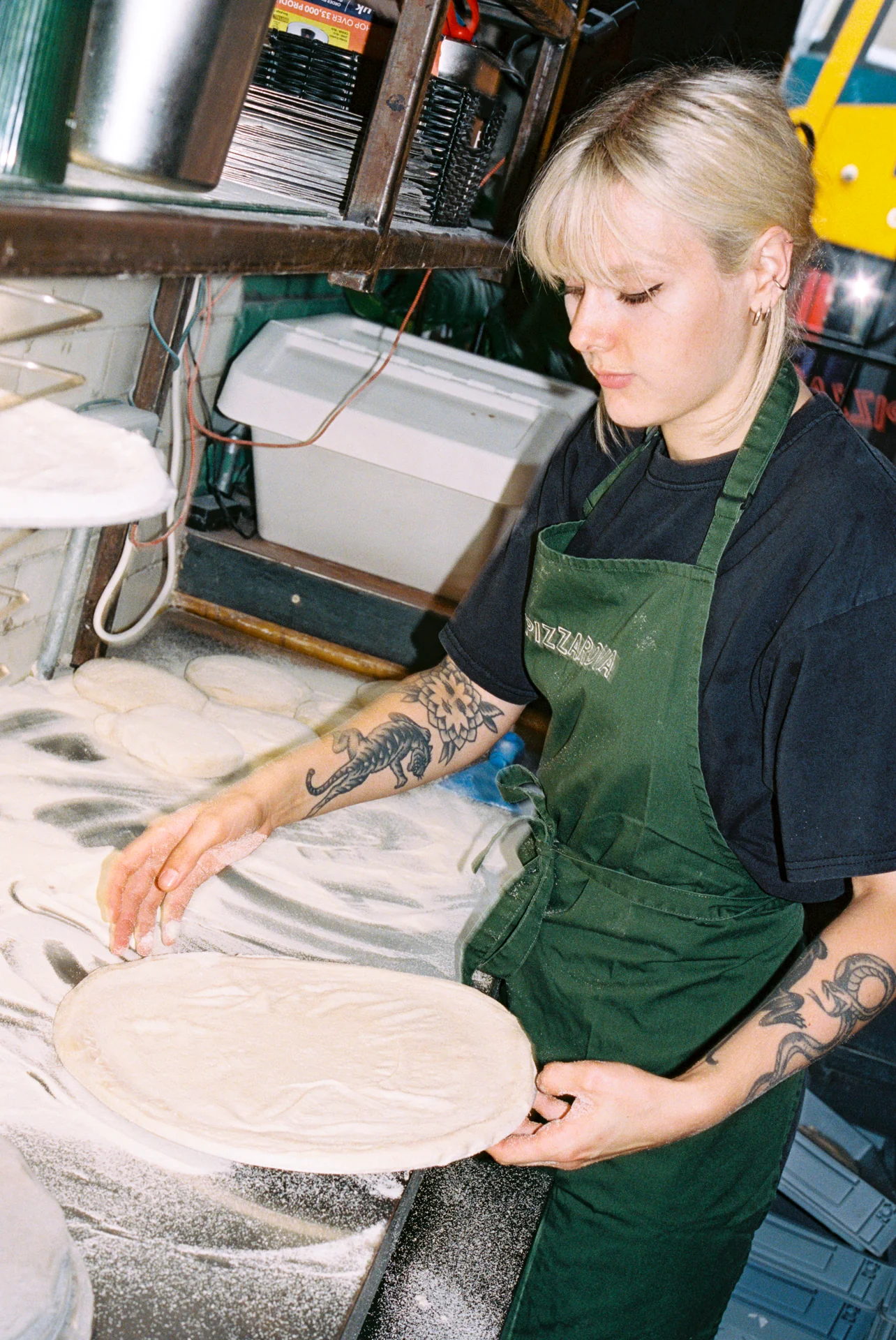
Before: The old way of working stopped scaling
As Pizzarova grew, managing labour, stock, and performance across multiple sites became harder. The team used manual processes to track food waste and stock transfers, while managers lacked a connected view of performance.
Jack explored integrated technology when these challenges began, but the available options didn’t fit the business’s needs.
We knew that we needed it, you know, very early on, probably at site three, which was maybe like two or three years into our journey. But the tech wasn't actually there.
Jack Lander, Co-Founder of Pizzarova
Getting it right: Making the technology work
Pizzarova partnered with Nory, an agentic AI restaurant operating system, around three years ago. Both teams created a roadmap of how the system would integrate with the business to make a real difference to operations and restaurant profit margins.
After: Better visibility as the business grows
Nory brought labour, stock, and performance reporting into one system, giving managers clearer information to guide decisions.
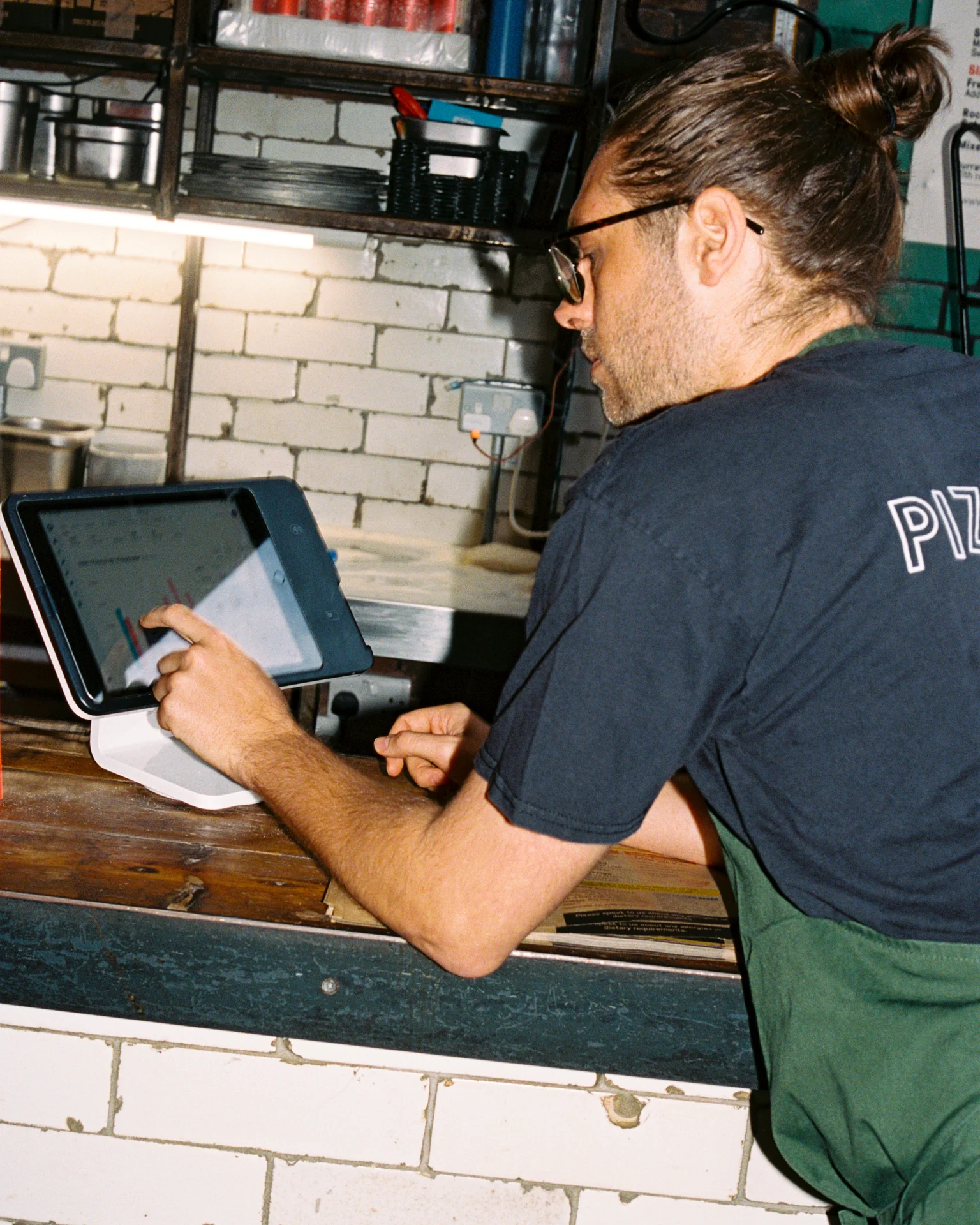
Since using Nory, Pizzarova has 10% improved labour efficiency and 100% visibility of stock variance. But for Jack, the real value is having accurate, up-to-date information when decisions need to happen.
Rather than relying on promises of fixed savings, managers can use better data to spot issues, test changes, and respond to shifting trading patterns faster.
We're three years into partnering with Nory now, and we've opened two sites during that time. It's an invaluable tool. It sounds kind of simple, but to have all of your important reporting pieces in one place for your managers, for your senior ops at a founder level, it makes life so much easier.
Jack Lander, Co-Founder of Pizzarova
Pizzarova has opened two sites during its partnership with Nory, with a clearer operational picture to support its next stage of growth. Jack also credits Nory’s account management and ongoing support with helping the partnership succeed.
Read the full Pizzarova story here, or find out more about Jack Lander.
The value of an ongoing technology partnership
For Jack, the value of restaurant technology comes down to better decisions, not promises of a fixed amount of savings. Having accurate, up-to-date information means managers can respond to changing trading patterns, test changes faster, and learn what works.
He also sees the relationship with Nory as a key part of the value. Regular account management and ongoing support helped Pizzarova work through integration challenges and get the system working for its teams.
That collaboration continues beyond onboarding. Nory works directly with operators like Pizzarova to understand their needs and shape how the product develops alongside their business.
Want to see where margins are tightest in your business, and how AI actually helps? Book a chat with the Nory team today to get the ball rolling.