Build vs buy restaurant software: Which path should you choose?

For years, building your own restaurant management software wasn’t a realistic option for most operators.
Unless you had the scale of a large franchise with a dedicated engineering team and time to develop the product, you bought off-the-shelf software and worked around its limitations.
Artificial intelligence (AI) has changed that.
Now, a founder or operations lead can use Claude or ChatGPT to build tools for end-of-day reporting, staff scheduling, or invoice matching in a matter of hours. There’s no lengthy procurement process, no contract, and no monthly fee for every location.
You can build something around the way your business actually runs.
The challenge comes when your business grows, or when the person who built the tool is no longer around to maintain it.
Building your own AI tools for restaurant operations can work well for one site, but it’s harder to manage across two, three, or 10.
Keep reading to find out why operators are building restaurant management systems with AI, where home-built tools start to break down, and how to decide when it’s time to buy.
Why in-house restaurant software builds usually start with reporting
Most in-house projects start with reporting because it’s the easiest place to see a result.
Connect a POS export to Claude or ChatGPT, ask it to summarise the week, and you can quickly get a useful view of sales and performance without manually pulling the numbers together. It saves time, and it shows what AI can do with your data.

Now, what happens when your scope starts to grow?
You want to track gross profit, check invoices against orders, build staff schedules, or automate team communications. With the right data and a baseline understanding of how AI works, you can build individual tools to handle them.
But a collection of useful tools isn’t the same as a system you can rely on across every site.
As the build grows, so does the work needed to connect the pieces, keep the data accurate, and make sure everything still works as your operation changes. This point is where the complexity starts to make things harder.
A change to one process can affect another. Someone has to spot problems, fix broken connections, and check if the outputs still make sense across every site.
To sum it up: What started as a quick way to save time on reporting can turn into an ongoing software project that needs someone to maintain it.
Let’s take a look at some of these challenges in more detail.
Where in-house restaurant software starts to break down
The biggest challenges with in-house built software crop up when you connect more tools, add more sites, and start relying on your own software to make operational decisions.
A report that works perfectly with last week’s sales export is one thing, but a system that needs to work across different sites, changing menus, staff rotas, supplier invoices, and compliance requirements? That’s another beast entirely.
Here are some of the challenges you might face when relying on in-house restaurant software.
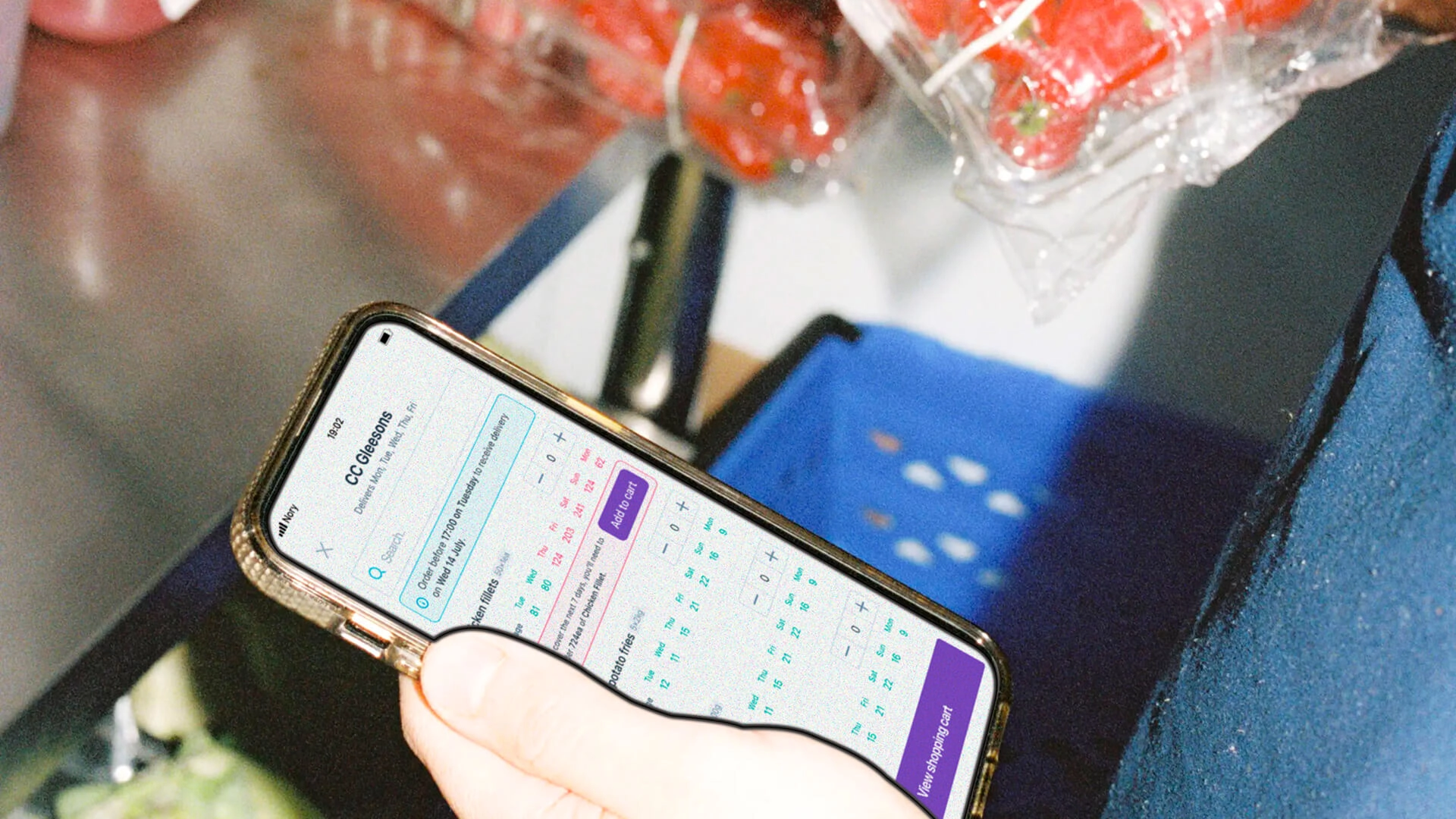
Fragmented data makes reliable reporting harder
Your tools can only give you a reliable picture of performance if they work from accurate, consistent data. Maintaining that accuracy gets harder when each system records information differently.
For example, your POS system might record a menu item under one name, while your stock system uses another. If your reporting tool can’t match the two, your gross profit figures may be wrong.
You then need to investigate the discrepancy, correct the mapping, and check whether the same problem affects other sites.
You can build logic to handle these differences, but someone needs to maintain it as menus, suppliers, and systems change.
Recommended reading: Restaurant management software vs POS system
Adding sites creates more complexity
A tool that works for one restaurant may need changes before it works across multiple locations. Each site brings its own trading patterns, staffing needs, suppliers, and ways of working.
Say you build a scheduling tool around one restaurant’s sales and labour data. When you roll it out to a second site, you discover that its opening hours, demand patterns, and staffing requirements differ.
You need to adjust the logic without breaking the original schedule. As you add more locations, you need to account for those differences while keeping reporting consistent across the group.
The challenge is building something flexible enough to handle local needs without creating a separate maintenance job for every site.
Compliance needs more than a working prototype
Restaurant software that influences rotas, working hours, or other employment decisions needs to account for compliance rules that apply to each team and location. Generating a schedule is the easy part, but making sure it follows the relevant requirements can be tricky.
For example, a scheduling tool might build a rota that meets your labour budget but misses a required rest period or applies the wrong rule to a team member. The consequences of getting this wrong could be huge for your business. Fines, penalties, and legal action are just a few examples.
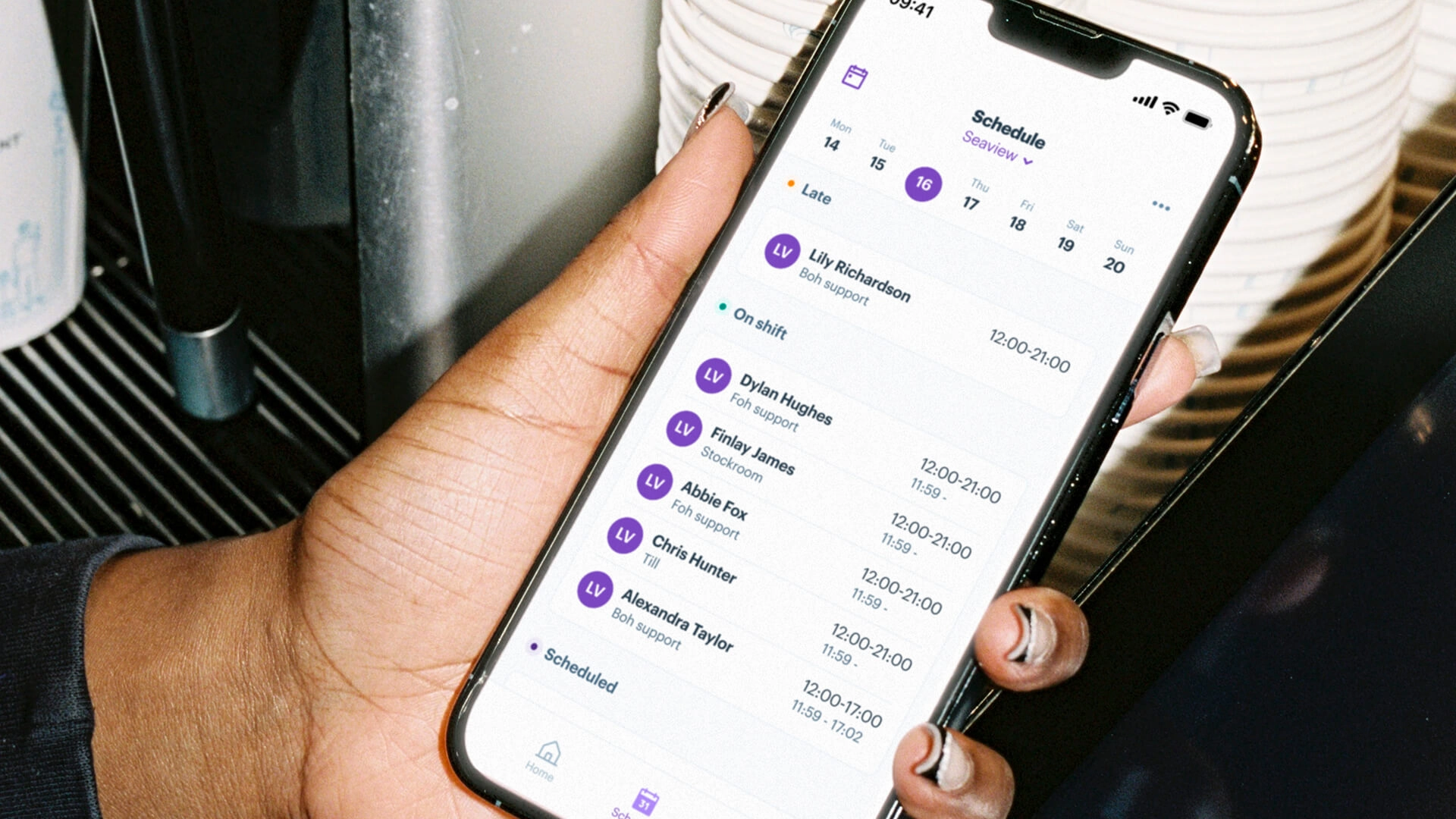
To avoid this, your software must incorporate the relevant checks, keep schedules up to date when requirements change, and test that they work across different scenarios.
Fun fact: Did you know that Nory’s AI Compliance Assistant automatically handles compliance rules based on your country and region? Let us handle the regulations so you can focus on running a profitable operation.
The builder becomes responsible for keeping everything running
An in-house system needs ongoing maintenance, even after the original build. APIs change, data formats shift, and new features can introduce problems elsewhere.
Imagine your POS provider changes the format of its sales export. Your reporting tool can no longer read the file correctly, so the weekly figures stop updating. Someone needs to identify the cause, update the integration, test the output, and check that the reports are accurate again.
If one person built the system, they’re often who everyone turns to when something breaks. Their other work gets interrupted, and progress depends on their availability. If they leave or lose time to other priorities, the business still needs someone who understands how the system works.
That ongoing responsibility is part of the cost of building your own software, even if the initial version was quick and inexpensive to create.
Recommended reading: Why Claude, ChatGPT, and Grok won't replace your restaurant operating system
What operators learn from building their own software
Building your own restaurant software can be a useful way to test an idea, but it doesn't automatically make sense as a long-term solution.
The value of an in-house build depends on what you need it to do, how central it is to daily operations, and what your team can realistically support. A tool that saves managers an hour each week might be worth building, even if someone needs to tweak it occasionally.
Software that influences staffing, purchasing, or financial decisions carries a much bigger responsibility.
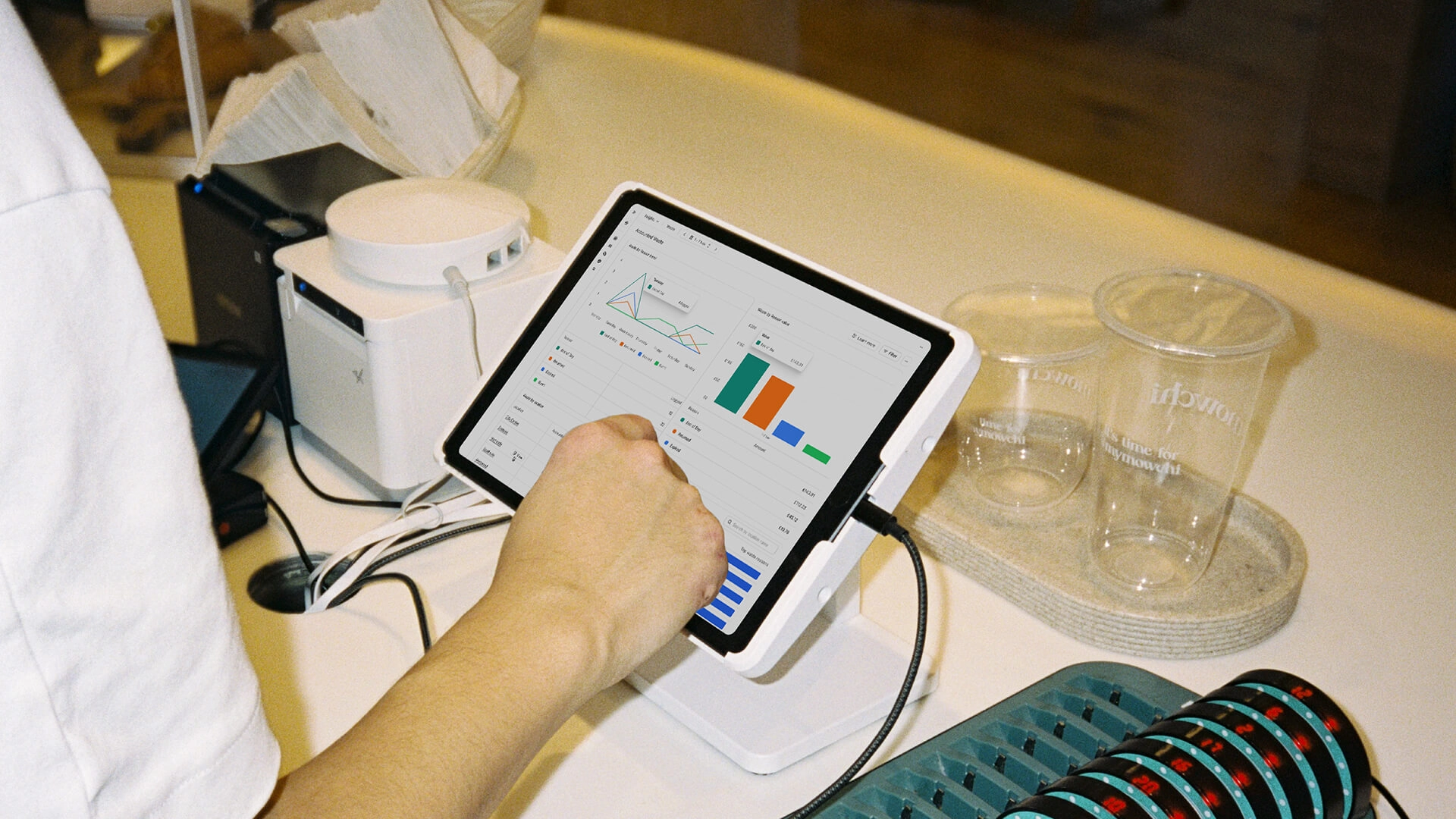
The key is to judge a build by more than how quickly you can create the first version. Consider the time your team will spend maintaining it, the consequences if it gets something wrong, and what happens when your requirements change.
The question to keep in mind is whether building it remains the right use of your team's time as the business grows.
What to consider before building your own restaurant software
Choose the approach that will support your operation as it grows, not just the one that gets you started fastest.
Before building your own restaurant software, map out what you’ll need it to do over the next 12 months:
- Will it need to connect labour, inventory, and finance?
- Will managers across every site use it to make decisions?
- Who will maintain it as your requirements change?
These questions help you understand the full scope of the project before you commit time and resources to a build.
Buying purpose-built software gives you access to more than the product itself. You’re also paying for the expertise behind it, including the engineering, data management, and compliance work needed to support restaurant operations.
Building in-house means taking responsibility for those areas yourself or finding someone else to cover them.
Compare the total effort involved in each option, including the work that comes after launch. A quick prototype might solve today's problem, but the right long-term choice depends on what your business needs next.
Choose restaurant software that can grow with your business
Before you invest more time in building your own tools, ask yourself, “should I build my own restaurant AI?”
For example, you could build a tool that analyses sales and suggests staffing levels. But you’d still need to connect it to your inventory and financial data to understand the bigger picture.
Instead, consider whether a purpose-built restaurant operating system would serve your business better over the long term.
Nory, for example, is an agentic AI restaurant operating system that connects labour, inventory, and sales performance in one platform. Our AI assistants help operators forecast demand, plan staff rotas, manage ordering, and track costs across every site.
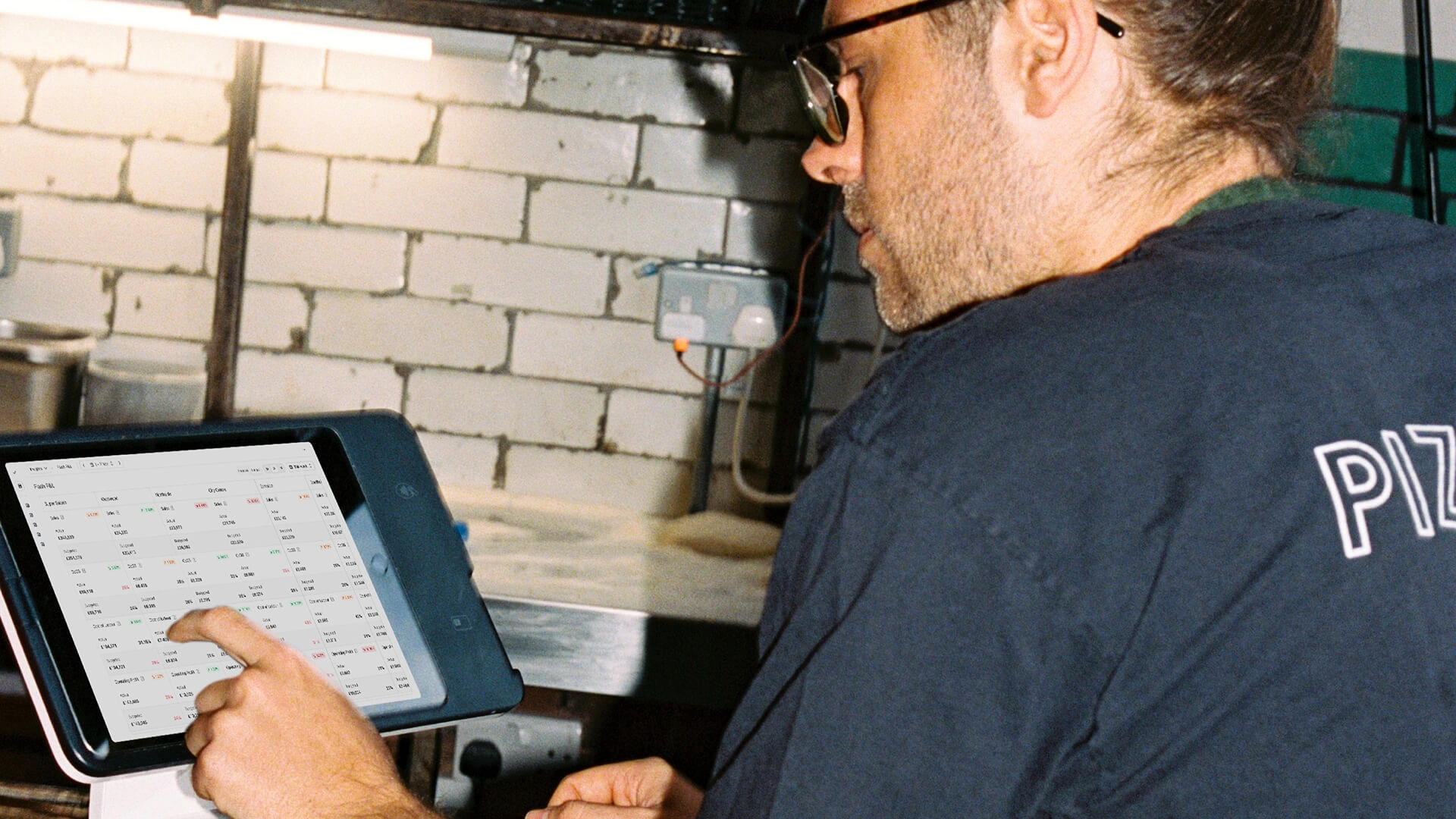
Nory brings key operational functions together so managers can make quick, informed decisions about how to boost profits. And as your business grows, our software grows with you. In fact, there are plenty of multi-location brands already using Nory.
Black Sheep Coffee is just one example. As the coffee shop grew from 73 to more than 130 sites across the UK and US, centralising staffing, forecasting, and stock management became more challenging.
Using Nory, the business consolidated all this data into one system, achieving 98% forecast accuracy and keeping labour cost variance below 1% of sales in Q1 2026.
If you’re weighing up whether to build or buy restaurant technology, consider what your business needs to run efficiently as it grows. And if you want to talk about it in more detail, book a chat with the team at Nory to see what it looks like in practice.