Why Claude, ChatGPT, and Grok won't replace your restaurant operating system

ChatGPT, Claude, and other AI tools are becoming part of everyday restaurant operations. They can help write job descriptions, draft staff communications, and summarize reports in seconds. What’s not to like?
But there’s a big difference between an AI tool that helps with tasks and an agentic AI system that runs alongside your operations. For multi-unit operators, confusing the two can create more work, more risk, and missed opportunities to protect profit.
Keep reading to find out why general AI tools and purpose-built restaurant AI solve very different problems, and how choosing the right system can help you protect margins and scale more effectively.
General AI vs. agentic AI for restaurants: Why the tools solving your ops problems need to be different
General AI tools are great at helping people work faster, but they’re not designed to manage the complexity of a multi-site restaurant operation. Restaurant AI, on the other hand, is built for exactly that.
A general AI tool can analyse information you give it. The tech can help write a staff handbook, summarize a report, or brainstorm ideas for improving service. And sure, these are valuable use cases – but the problem starts when operators expect these tools to do the work of a fully-fledged restaurant operating system
Restaurant operations need live, accurate data and smart, proactive analysis to run as effectively as possible. Simple AI tools can’t do this, meaning that operators using these systems to manage operations are working at a disadvantage.
An AI restaurant management system, on the other hand, can do this. The software connects directly with your operational data, understands the unique demands of your business, and helps you make faster decisions around labor, inventory, and profitability.
Here’s a quick overview of the key differences:
Recommended reading: How to choose restaurant business intelligence software.
Generic AI tools take up more of your time, and here’s why
General AI tools rely on the data you provide, whereas restaurant operating systems work from the data your business generates every day.
Ask ChatGPT to analyze your labor costs, and someone still needs to export reports, clean spreadsheets, explain the context, and manually act on the recommendations. Every new question requires another round of preparation.
For a single location, that might be manageable. But for a 20, 50, or 100-location operation? it quickly becomes a time-consuming admin task.
If you’re using an AI operating system, that manual work disappears.
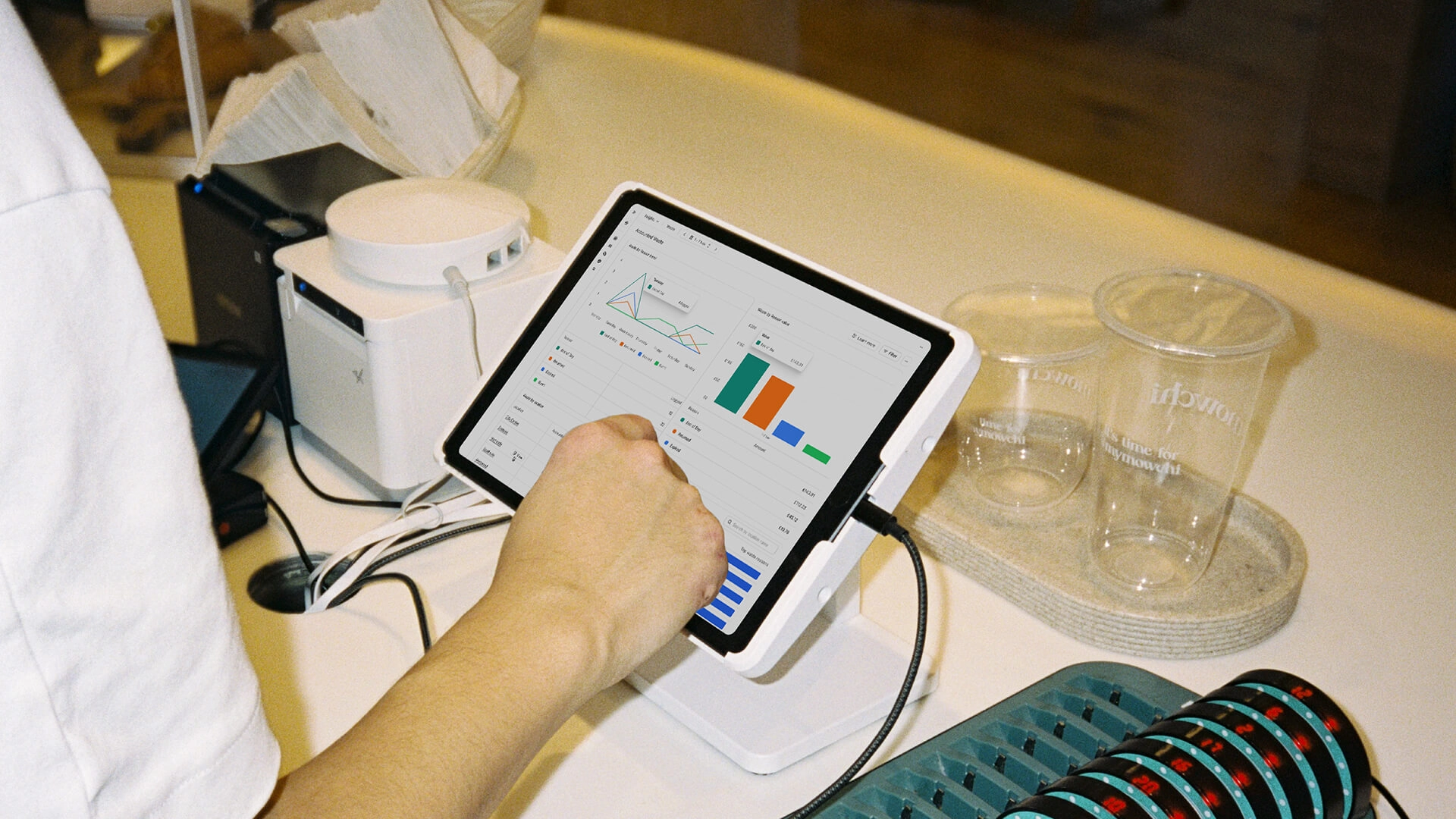
Restaurant AI software connects directly with your operational data, continuously analyzing what’s happening across locations and surfacing insights without managers spending hours preparing information first.
.webp)
A restaurant operating system protects your P&L
The best AI for restaurants connects insight directly to action. Instead of highlighting that a shift is understaffed, it can build a new schedule before the problem affects service. Or instead of showing that labor costs are above target, it can identify where to make changes to keep spending in check.
A general AI tool might tell you that labor costs are running high, but the next steps are still yours. You need to investigate the cause, adjust the schedule, check compliance, communicate changes, and monitor the impact.
It’s a lot of time spent manually trying to get on top of labor costs and schedules, time that could be better spent elsewhere (like focusing on growth).
Not to mention, you’re adding all your labor data to the AI tool after it’s already happened. This means it’s not always real-time, which impacts how quickly you can make schedule changes to protect profits.
Recommended reading: Why real-time restaurant BI is essential for success.
Compliance requires enforcement, not suggestions
A generic AI tool can explain compliance rules and regulations, but it can’t enforce them when creating next week's schedule. An AI restaurant operating system, however, can check compliance rules before creating schedules and flag potential issues before they become problems.
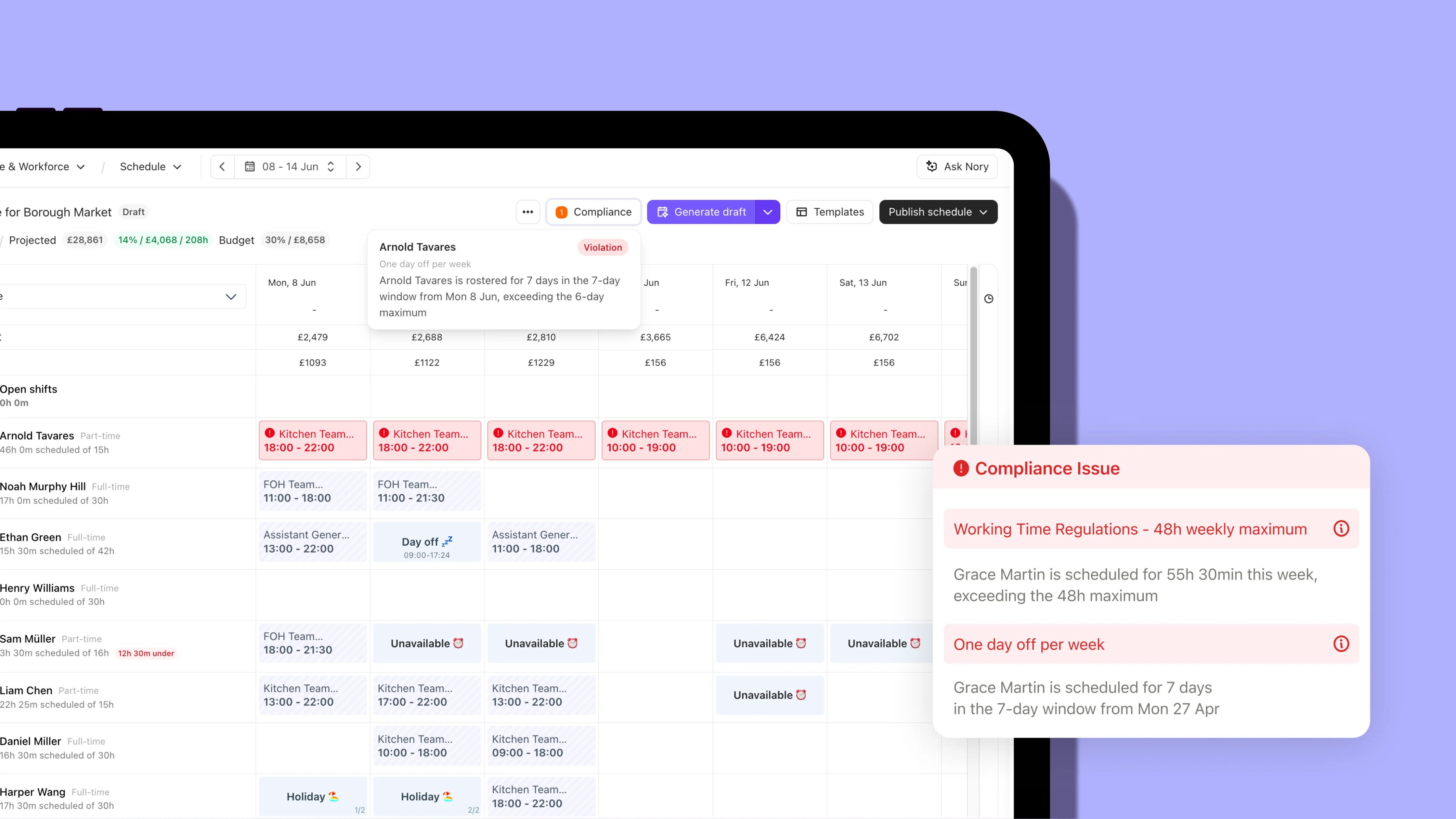
Find out more about Nory’s AI Compliance Assistant.
Restaurant operators manage a complex mix of wage rules, break requirements, and tip regulations. Because of this, a single scheduling mistake can lead to costly claims.
Look at Chipotle as an example. The Mexican fast-food chain paid $20 million to settle Fair Workweek scheduling violations in New York City. Starbucks also reached a $39 million settlement related to predictive scheduling violations.
These large restaurant chains have the financial resources to absorb settlements on that scale. But an independent restaurant or a small multi-site operation? These fines can have a serious financial impact. In some cases, it's enough to wipe out months of profit or stall expansion plans.
It’s also worth considering the impact of adding sensitive employee data into generic AI tools.
73% of employees paste sensitive data into AI chatbots without realizing it, and sensitive data now makes up 34.8% of employee ChatGPT inputs (a figure that has more than tripled since 2023).
Not to mention, “shadow AI” (employees using unapproved consumer AI tools) added an average of $670,000 to the cost of a data breach.
An AI operating system helps reduce this risk by keeping sensitive employee and operational data within a secure system built for your business.
Instead of asking managers to upload sensitive information into AI tools, everyone works from one controlled platform with the right access and safeguards in place. That means operators can use AI to make smarter decisions without losing control of the data behind them.
Consistency is harder with generic AI in restaurants
If 20 general managers are using ChatGPT independently, you could end up with 20 different approaches to solving the same problem. An operating system creates a shared source of truth, applying consistent logic across locations (while allowing operators to account for local differences).
Everyone works from the same data, the same rules, and the same operational goals. But without a consistent way of working, every location ends up solving the same problems differently.
That makes it harder to control labor costs, maintain compliance, measure performance, and scale the business as you grow. For multi-site restaurants, this consistency is what turns individual locations into a scalable operation.
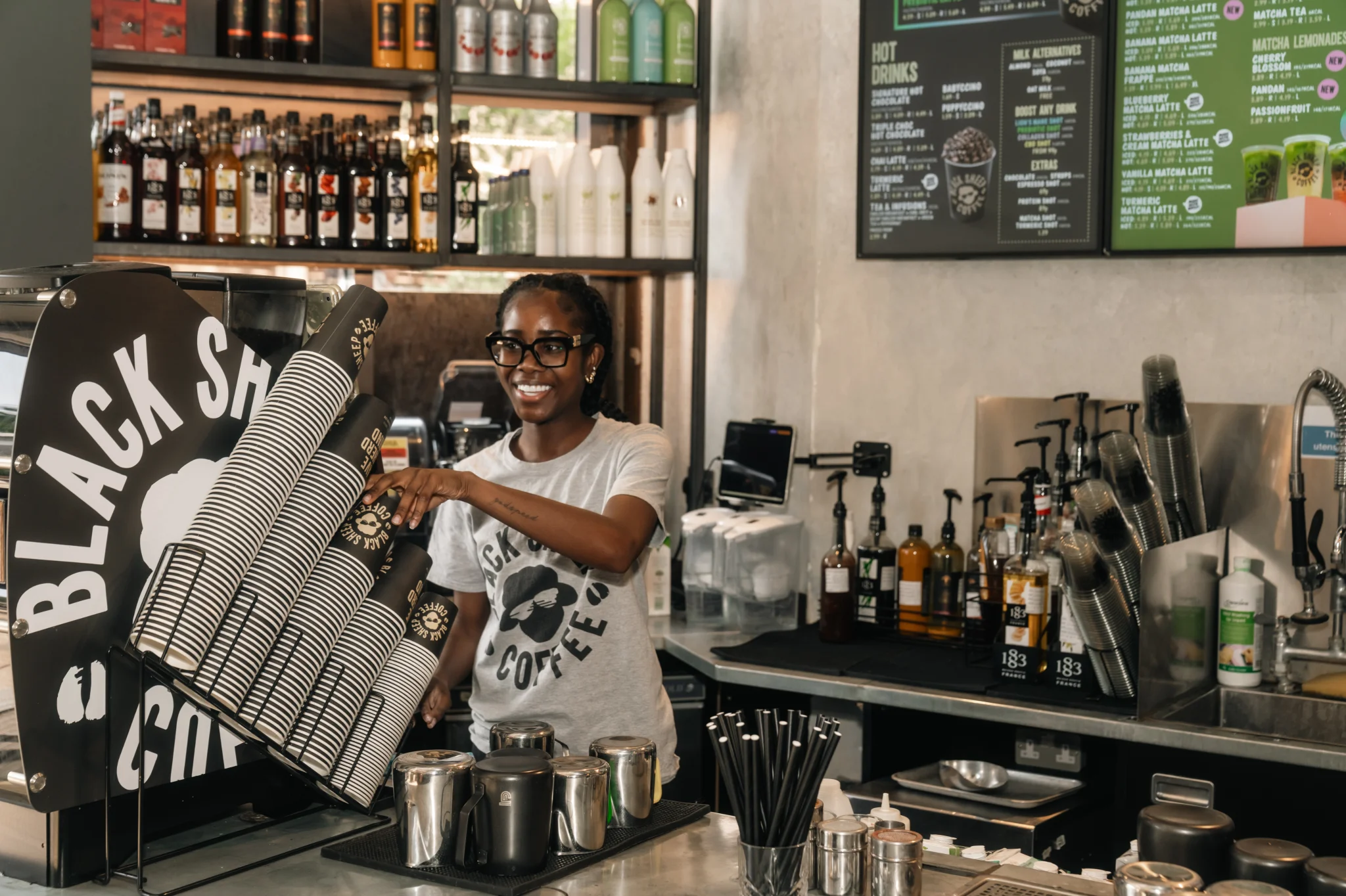
Look at Black Sheep Coffee as an example. As the coffee chain expanded from 73 to more than 130 locations across the UK and US, maintaining consistent labor, forecasting, and inventory processes became increasingly important.
With Nory's agentic AI operating system, the business standardized forecasting and scheduling across every site.
As a result, the company achieved 98% forecast accuracy and kept labor cost variance below 1% of sales, all while ensuring every new location launched into the same proven operating model.
The right AI belongs in the right place
General AI tools have a role in restaurants. They can help teams write faster, communicate better, and handle everyday tasks, but they’re not a replacement for an operational system.
Labor and COGS are too important to manage through disconnected tools and manual workflows. Operators need technology that connects live data and takes action.
That's where Nory can help. Nory's agentic AI restaurant operating system uses a crew of AI assistants working 24/7 to control prime cost, improve labor decisions, and keep profits healthy across every location.
Book a call to see how purpose-built restaurant AI can help you make smarter operational decisions at scale.